Aluminium Composite Panel (ACP)
Rigid, flat, and weatherproof: the gold standard for signage
ACP consists of two thin aluminium skins bonded to a polyethylene core, creating an exceptionally flat, rigid, and lightweight panel. It's the industry standard for outdoor signage, fascias, and architectural cladding.
Available in a wide range of colours and finishes including brushed aluminium, mirror, and custom RAL colours. ACP is UV-stable, weatherproof, and maintains its flatness over large spans.
Fastest path
Get pricing for Aluminium Composite Panel (ACP) now.
Start with this material preselected. Enter dimensions for instant pricing or send the setup for quote review.
Key Properties
Structure
Aluminium/PE/Aluminium composite
Weight
5.5 kg/m² (3mm panel)
Flatness
Exceptional, no warping
UV Resistance
Excellent, PVDF coated
Fire Rating
FR grades available
Fabrication
Saw, CNC, router, fold
ACP sheet stock
Cut and finished in-house
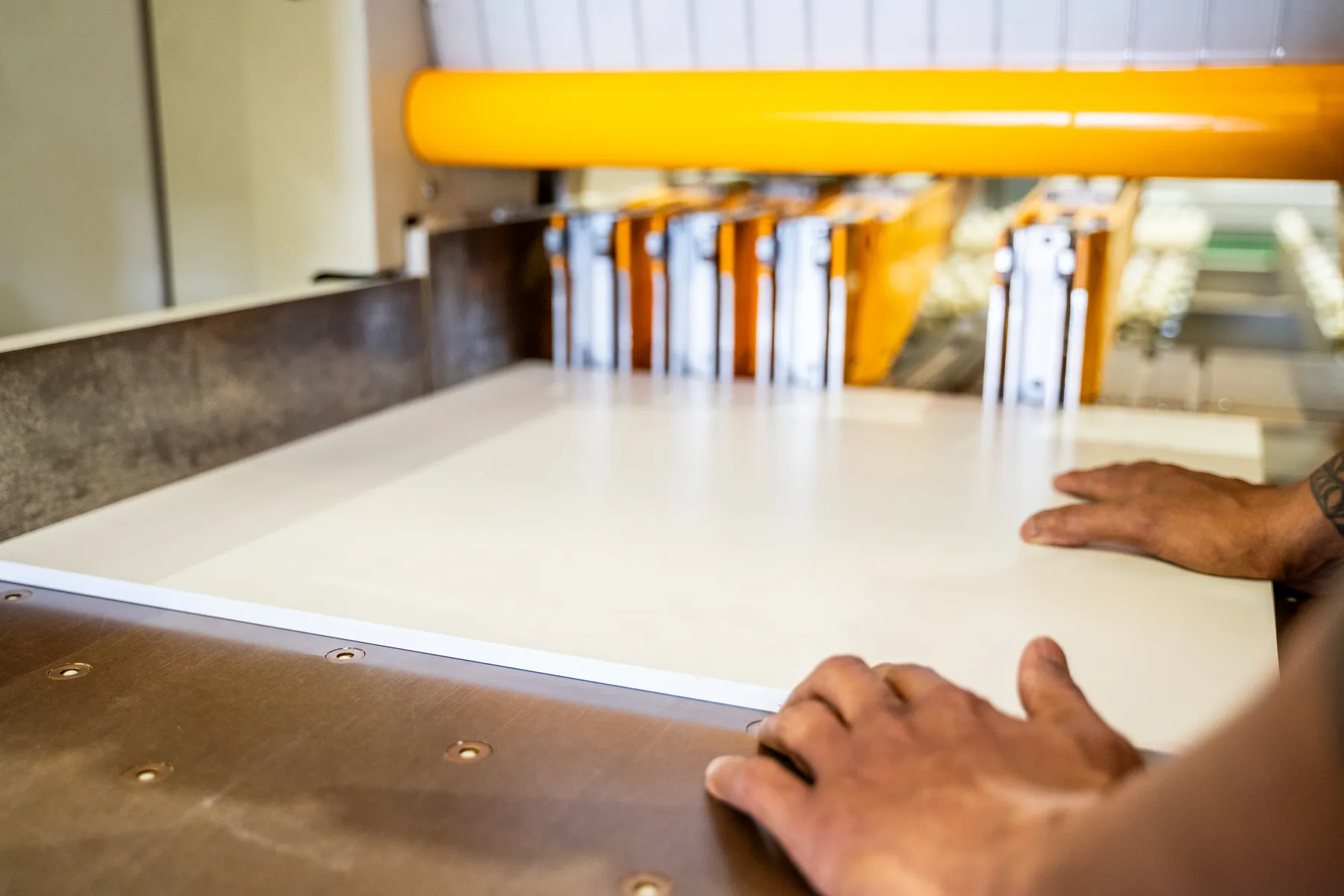
From a single sheet to repeat production, Plastix reviews the material, dimensions and finish before the job enters the Kingsgrove workshop. Straight cuts, detailed machining and fabricated work follow different production paths, so the quote or checkout confirms what applies to the selected job.
Available Thicknesses
3mm
Common Applications
- Building fascias and cladding
- Outdoor signage and wayfinding
- Shop front and retail signage
- Interior wall panels
- Exhibition displays
- Column cladding
Buying Guide
When ACP is the right choice
ACP is usually the best sheet for flat, rigid signage panels that need to look professional outdoors. It stays flatter than many plastic sheets over larger areas, has a finished aluminium skin, and is widely used for shopfronts, fascias, wayfinding, wall panels, and display builds.
Choose ACP when the panel needs a crisp face, good weather resistance, and a more premium signage finish than temporary board. It is especially useful when the sign will be mounted to a frame, wall, fascia, or post system and needs to stay visually flat.
ACP vs PVC, acrylic, and coreflute
PVC foamboard is lighter and common for indoor signage or shorter-term display panels. Coreflute is cheaper and better for temporary campaign signs. Acrylic is better when you need clear, polished, coloured, or fabricated display work.
ACP sits in the durable signage lane. It is not a clear display sheet, and it is not the lowest-cost temporary sign board. It is chosen when flatness, weathering, finish, and installation stability matter more than translucency or low-cost temporary use.
Cutting, routing, and fixing notes
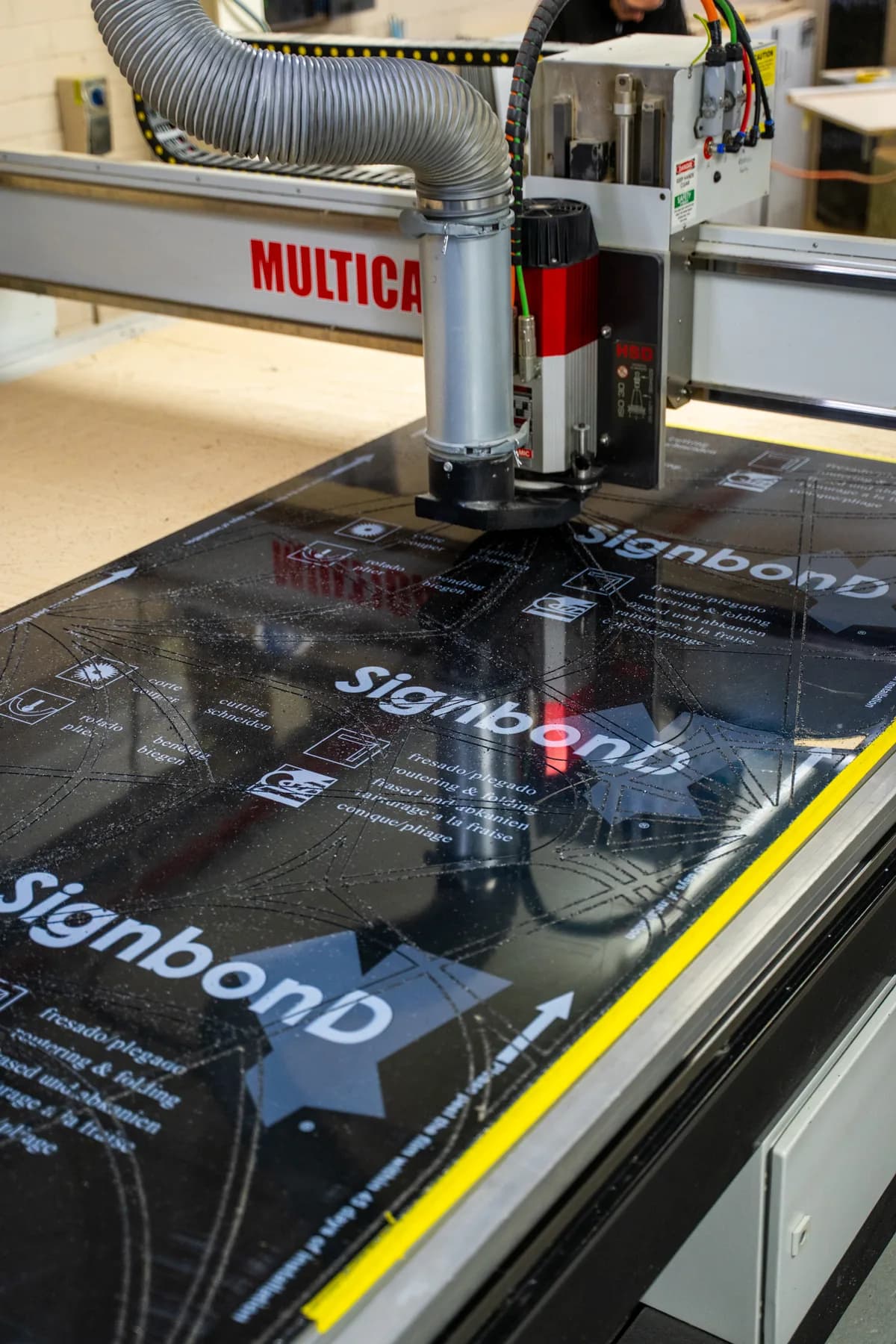
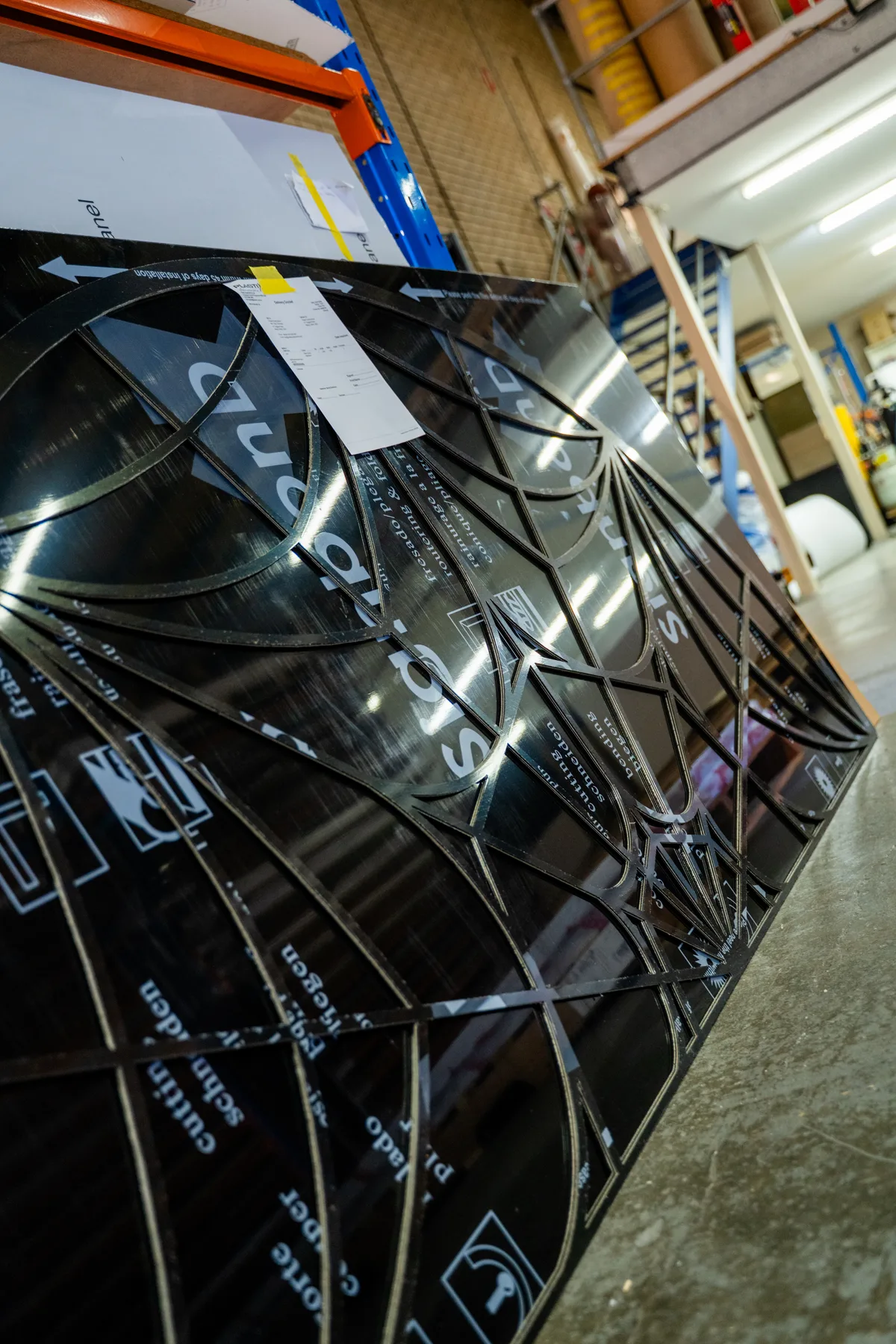
ACP can be saw cut, CNC routed, drilled, and in some cases grooved and folded. For signage, the most important details are finished panel size, fixing method, visible face, colour or finish, and whether the edges will be exposed.
If the panel needs routed shapes, holes, slots, rounded corners, folded returns, or a specific signmaker file, include the drawing with the quote. For outdoor and commercial jobs, also note wind exposure, install height, backing frame, and any fire-rating requirement.
For long fascia runs or multiple panels, panel joins and sheet orientation matter. Send the full elevation or sign layout rather than only one panel size so the team can quote supply, cutting, and staging more accurately.
Compatible Services
ACP saw cutting
Straight cut signage blanks, wall panels, fascias, and sheet preparation.
View service →
CNC machining
Routed shapes, fixing holes, slots, folded-panel prep, and repeat sign panels.
View service →
Volume sheet supply
Bulk ACP sheet supply for signmakers, builders, fitout teams, and installers.
View service →
Common Questions
Is ACP suitable for outdoor signage?
Yes. ACP is one of the standard materials for outdoor signage, shopfront panels, fascias, and wayfinding. The right grade, finish, fixing method, and panel thickness still depend on the install location.
What is the difference between ACP and PVC foamboard?
ACP has aluminium skins bonded to a core, so it stays flatter and more durable for many outdoor sign panels. PVC foamboard is lighter and often used for indoor signs, displays, and lower-cost panel work.
Can ACP be routed or folded?
ACP can be CNC routed, drilled, cut, and prepared for folded returns depending on the panel and job details. Send drawings or sign files so Plastix can confirm the right process.