
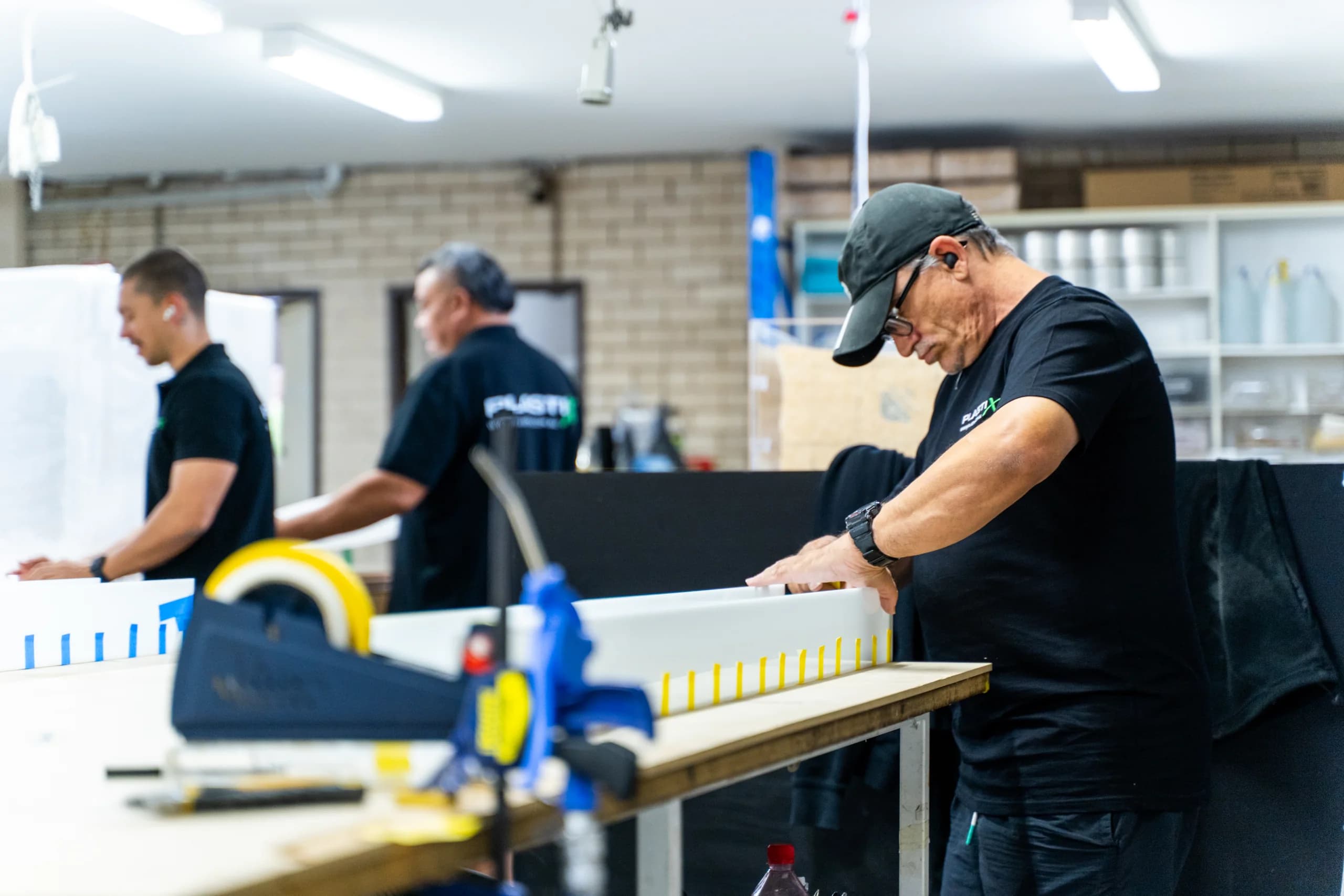
Polishing & Sanding
Restore crystal clarity to saw-cut and machined acrylic edges
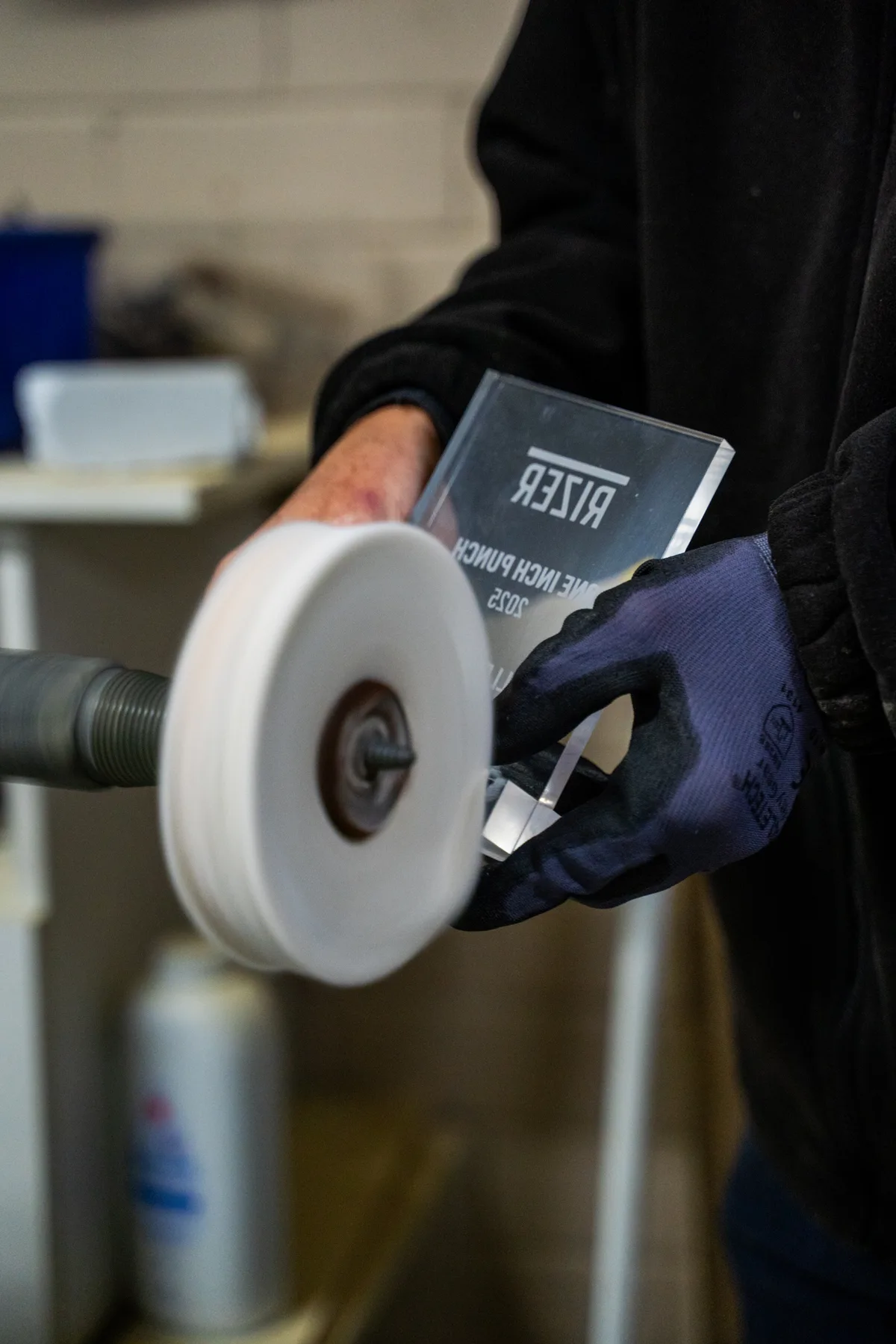
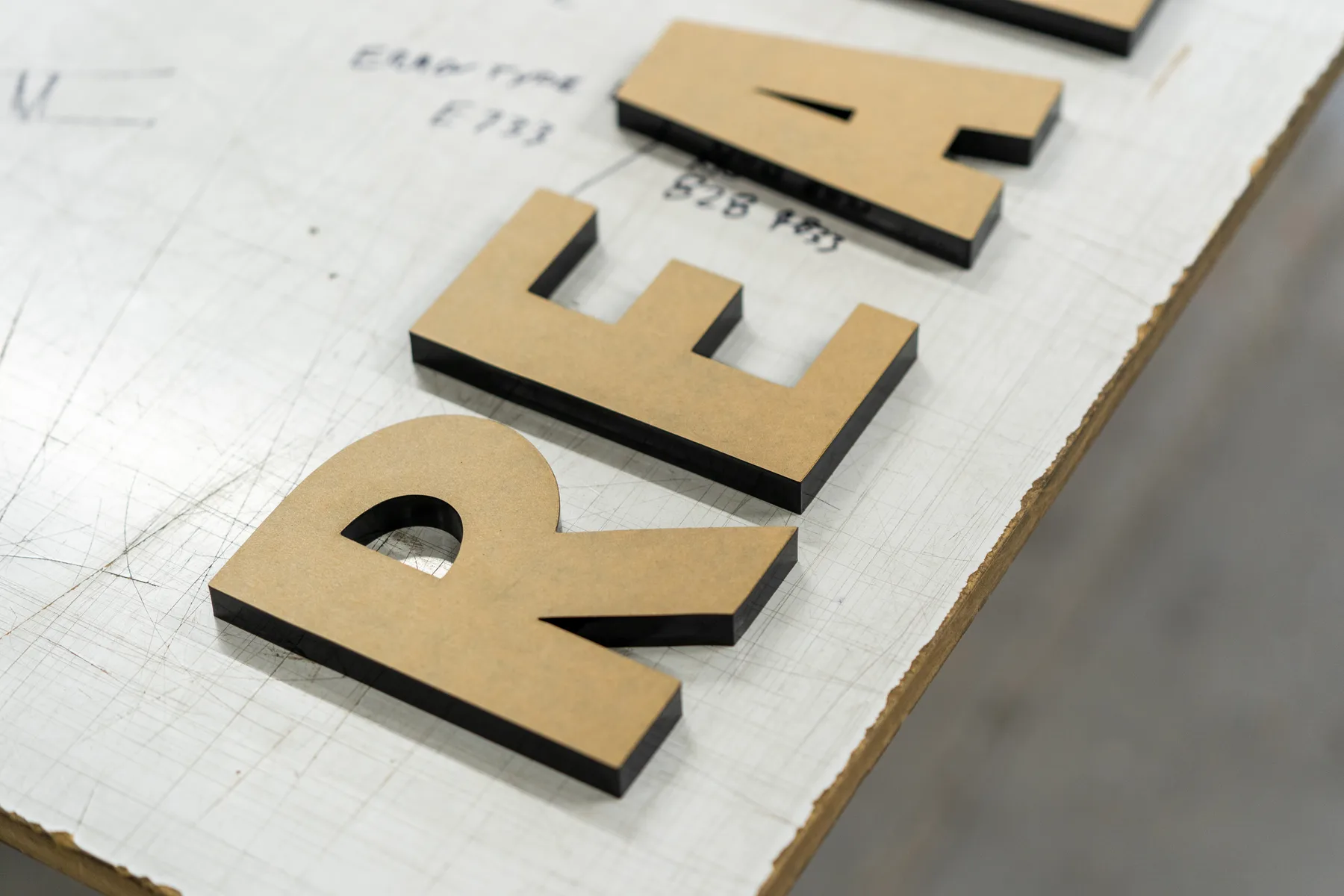
Saw-cut and CNC-machined edges on acrylic are translucent, not transparent. Our polishing services restore full optical clarity using diamond polishing, flame polishing, or hand buffing techniques.
Diamond polishing produces the highest quality finish and is preferred for display and architectural applications where edge clarity matters.
Choose the quote path
Turn polishing & sanding interest into a quote faster.
Simple sheet work belongs in the calculator. Drawings, assemblies, and custom parts belong in the fabrication quote flow.
Capabilities
Methods
Diamond, flame, hand buff
Best Finish
Diamond polishing (optical)
Max Length
3200mm per edge
Max Thickness
50mm
Materials
Acrylic, Polycarbonate
Turnaround
1–2 business days
Finishing
Precision work, in-house
Every polishing & sanding job runs through our Kingsgrove workshop, handled by people who have been doing this for decades. Consistent results, tight tolerances, and fast turnaround.
Service Guide
When polishing is the right fit
Polishing and sanding are used when acrylic edges need to look clear, smooth, and display-ready after saw cutting, CNC machining, or fabrication. It turns a functional cut edge into a finished visible edge.
This service is most important on display cases, plinths, risers, furniture pieces, award blanks, retail fixtures and architectural panels where the edge is part of the presentation.
Not every job needs polished edges. Utility guards, hidden brackets, templates and industrial panels may be better left with a practical eased or as-cut finish to control cost.
Finish options
Diamond polishing gives the cleanest optical edge and is preferred for premium display and architectural acrylic. Flame polishing can suit some acrylic edges but must be matched to the part and material.
Sanding and buffing can remove machining marks, soften handling edges, or prepare parts for a cleaner finish. The best method depends on thickness, edge length, material and visibility.
Polycarbonate behaves differently from acrylic, so finishing expectations should be discussed before quoting. A clear guard and a museum-style acrylic case do not need the same edge treatment.
If edges will be lit from behind or viewed through the material, finish quality becomes more visible. Lighting can reveal saw marks, sanding scratches and uneven polishing that would be less obvious in normal use.
How finishing is quoted
Pricing depends on material, thickness, number of edges, edge length, current cut quality, finish level and whether polishing is part of a larger fabrication job.
For display pieces, note which edges are visible and which are hidden. Polishing every edge is not always necessary, and selective finishing can keep the result sharp without wasting budget.
If you are supplying already-cut pieces for polishing, tell Plastix how they were cut and whether there are chips, scratches or deep saw marks. Some edges may need sanding before they can be polished properly.
For assembled work, polishing should be planned before bonding or final assembly. Some edges are difficult or impossible to finish cleanly once the piece is already joined, packed or fitted with hardware.
For premium display work, send photos or mark-ups showing the hero edges. That helps the workshop spend finish time where customers will actually notice it.
Compatible Materials
Common Use Cases
- Display cases and plinths
- Architectural panels
- Furniture edges
- Award and trophy blanks
- Retail display pieces
What To Send With Your Quote
- Material, thickness and number of pieces
- Which edges need polishing or sanding
- Desired finish level: display, utility or premium optical
- Whether pieces are already cut or need cutting too
- Photos of existing edges if reworking supplied parts
- Visible faces, handling requirements and deadline
Related Services

Common Questions
Can saw-cut acrylic edges be made clear?
Yes. Saw-cut and CNC-cut acrylic edges can often be sanded and polished to restore a clear, display-quality finish.
Do all acrylic edges need polishing?
No. Polishing is mainly needed for visible display edges. Hidden, utility or industrial edges may only need easing or a standard cut finish.
What is diamond polishing?
Diamond polishing uses specialist tooling to produce a clear, high-quality acrylic edge, often used for displays, plinths and architectural acrylic work.