
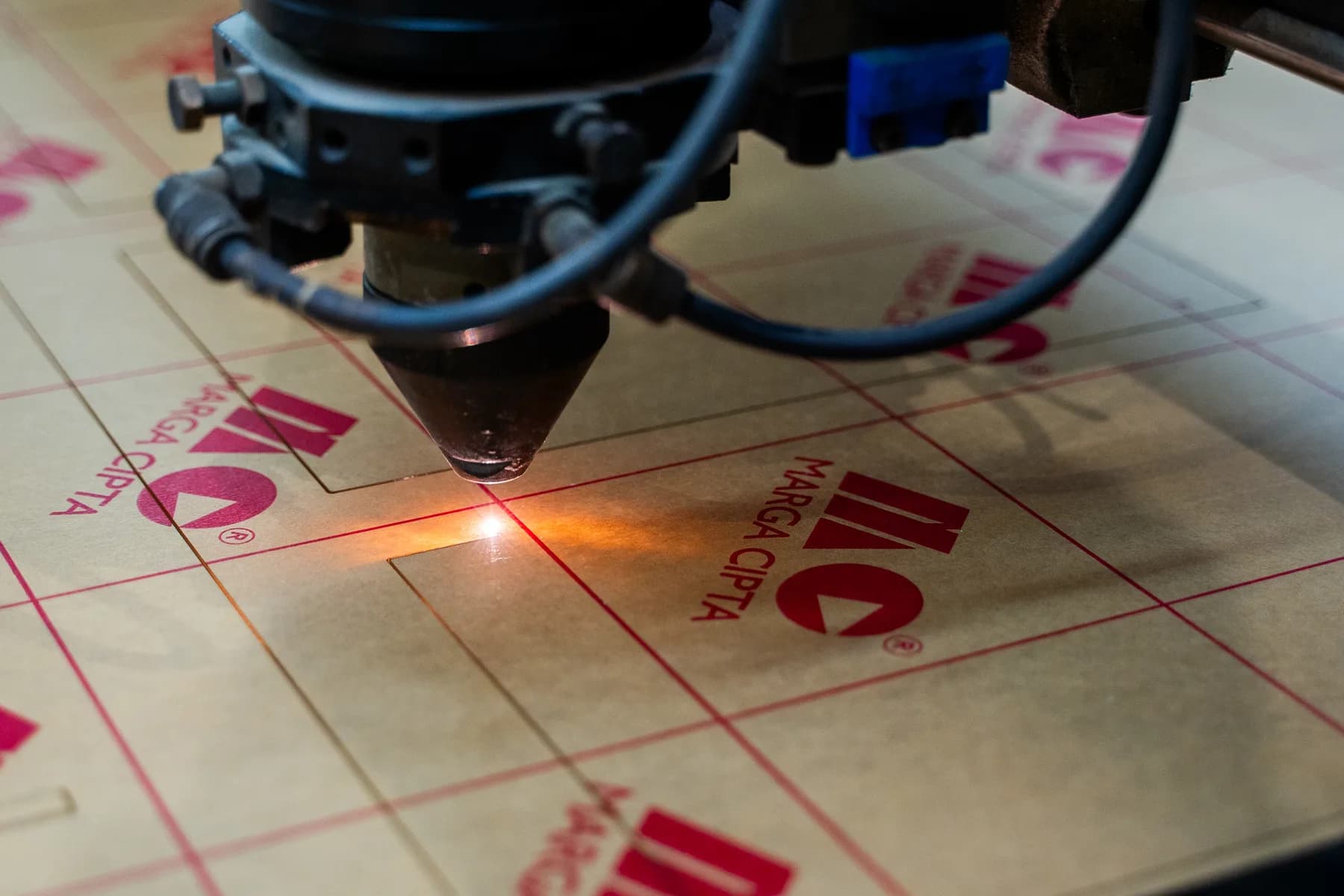
Laser Cutting
Precision cuts with clean, polished edges, no finishing required
Our laser cutting systems deliver exceptional precision on acrylic and other compatible plastics. The laser beam melts through the material leaving a flame-polished edge that requires no additional finishing.
Ideal for intricate shapes, detailed patterns, and tight tolerances. We can cut from DXF, DWG, AI, EPS, or PDF vector files.
Choose the quote path
Turn laser cutting interest into a quote faster.
Simple sheet work belongs in the calculator. Drawings, assemblies, and custom parts belong in the fabrication quote flow.
Capabilities
Tolerance
±0.1mm
Max Sheet Size
3050 × 1530mm
Max Thickness
50mm
Edge Finish
Polished
File Formats
DXF, DWG, AI, EPS, PDF
Turnaround
Same day available
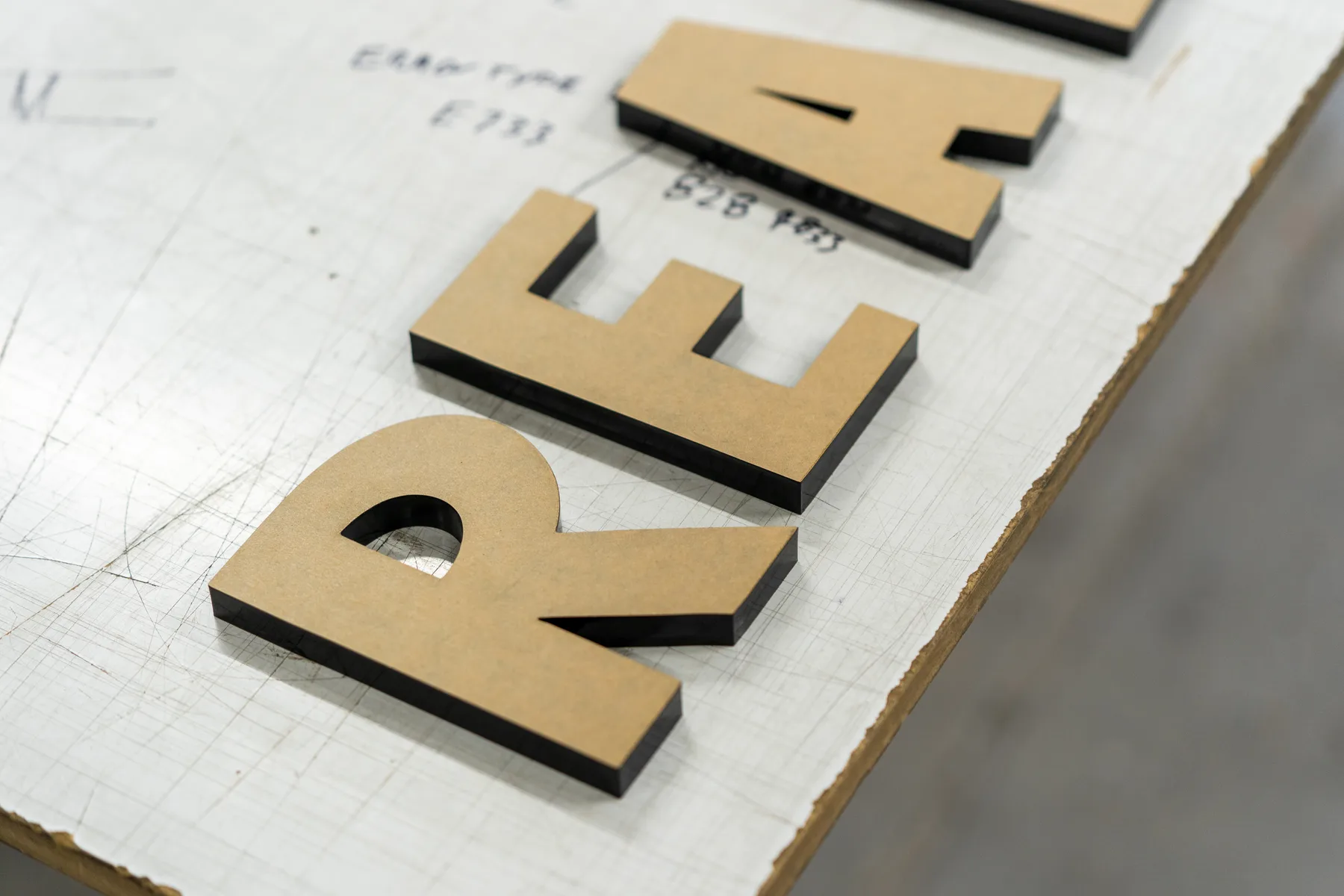
Laser cut lettering
Precision work, in-house
Every laser cutting job runs through our Kingsgrove workshop, handled by people who have been doing this for decades. Consistent results, tight tolerances, and fast turnaround.
Service Guide
When laser cutting is the right fit
Laser cutting is best when the part needs clean profiles, fine detail, repeatable shapes, or polished-looking acrylic edges without a separate finishing step. It suits letters, display parts, signage, templates, decorative panels, and small technical components.
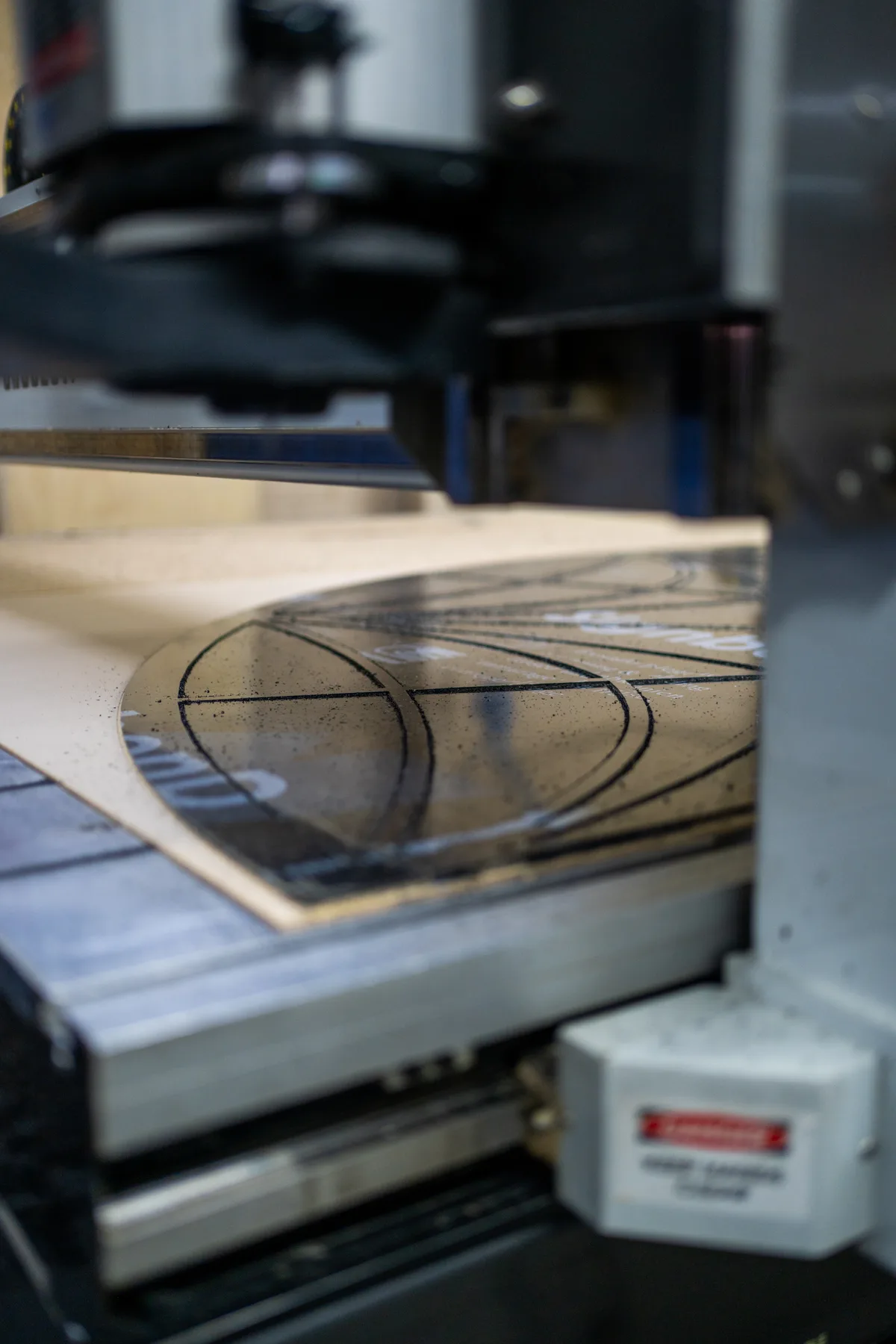
Acrylic is the core laser-cut material because it responds cleanly and can leave a flame-polished edge. PETG can also suit some laser work, depending on thickness and finish expectations. Materials such as polycarbonate and ACP are usually better handled by CNC routing or saw cutting.
If the job has tight corners, small holes, engraving, tabs, slots, or nested quantities, laser cutting can often reduce handling and produce a cleaner result than hand cutting. For thick materials or parts that need pockets and countersinks, CNC may be the better process.
File and finish requirements
Vector files are the fastest path to an accurate quote. DXF, DWG, AI, EPS, and clean vector PDF files help the workshop read profiles, holes, cut lines, and engraving lines without redrawing the job from scratch.
If you do not have a drawing, a sketch with dimensions can still work, but allow for review. Photos, screenshots, and rough measurements are enough for early pricing on simple parts, while production runs need cleaner dimensions and file control.
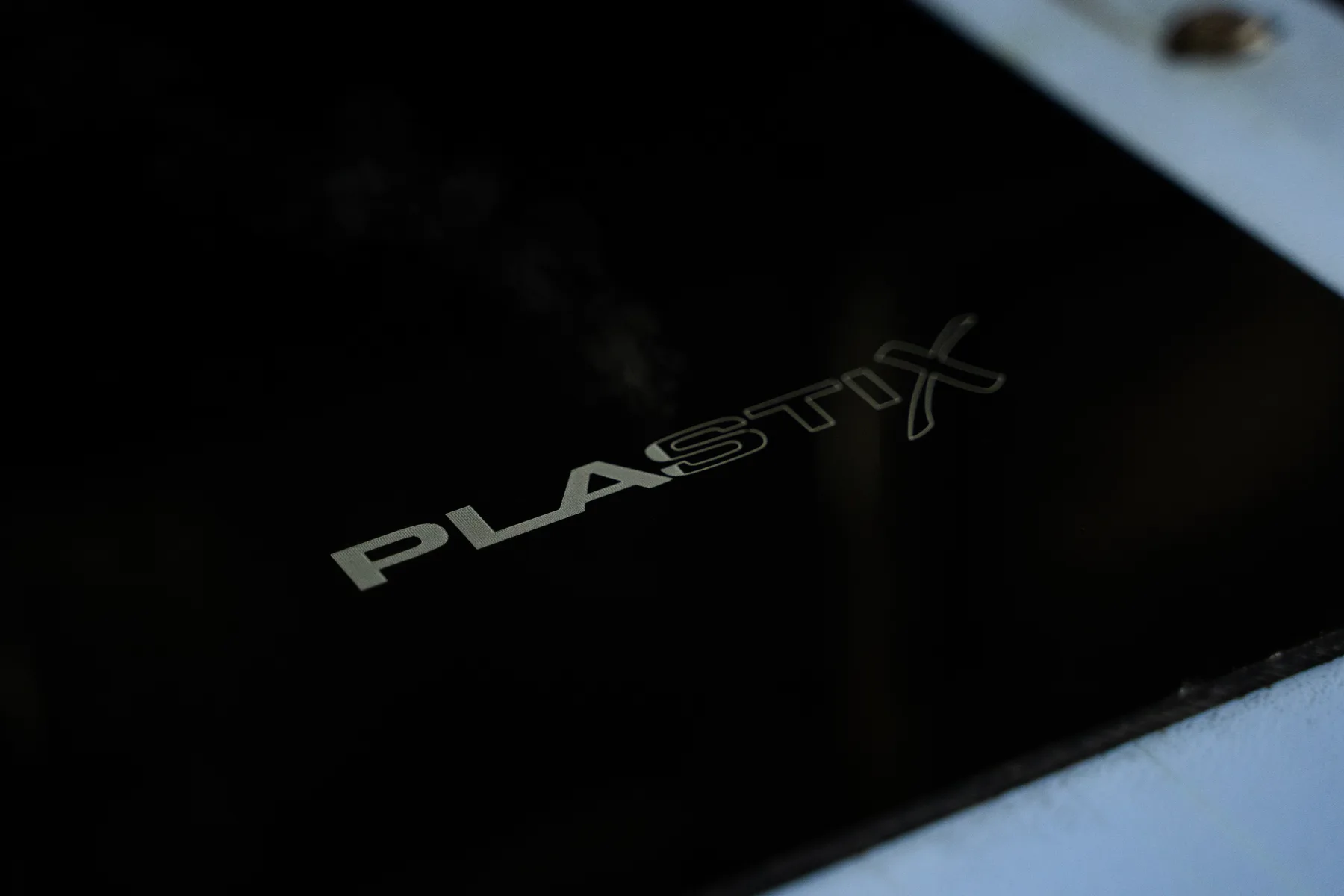
Tell Plastix whether the edge will be visible, whether protective film should stay on, and whether the part needs engraving, flame-polished style edges, or a utility finish. The same cut can be quoted differently when it is a retail display face rather than a hidden bracket.
How jobs are quoted
Laser cutting cost depends on material, thickness, total cut length, detail, setup, quantity, and whether the sheet is supplied by Plastix or by the customer. Nested repeat parts often price better than one-off complex shapes because setup is spread across more items.
For signage and display work, note whether the job is one face, mirrored pairs, letters supplied loose, or panels that need to line up on installation. Alignment and installation details can change the file prep and packing method.
For Australia-wide jobs, include delivery address and deadline early. Thin acrylic profiles and small parts can be packed differently from large panels, and freight risk should be considered before cutting fragile shapes.
What To Send With Your Quote
- Vector file if available: DXF, DWG, AI, EPS or PDF
- Material, colour, thickness and quantity
- Finished size and any critical tolerances
- Which lines are cut, engraved or reference only
- Visible edge expectations and protective film preference
- Pickup, Sydney delivery or Australia-wide freight address
Related Services
Common Questions
What materials can be laser cut?
Acrylic is the main laser-cut plastic at Plastix, with PETG suitable for some jobs. Polycarbonate, ACP, HDPE and many thicker utility plastics are normally better suited to CNC machining or saw cutting.
Do I need a vector file for laser cutting?
A vector file is best, especially for accurate or repeat work. If you only have a sketch, photo or PDF, Plastix can still review it and confirm whether redraw or file setup is needed.
Can laser cutting be used for signage letters?
Yes. Laser cutting is well suited to acrylic letters, logos, templates, display shapes and fine signage components where clean profiles and repeatable edges matter.