
Mock-up & Prototype
Rapid prototyping to test your design before full production
Before committing to a full production run, we can produce a prototype piece or mock-up to validate your design, dimensions, and material choices. This saves time and cost by catching issues early.
Our prototyping service is fast — most single-piece prototypes can be turned around within 2–3 business days.
Choose the quote path
Turn mock-up & prototype interest into a quote faster.
Simple sheet work belongs in the calculator. Drawings, assemblies, and custom parts belong in the fabrication quote flow.
Capabilities
Lead Time
2–3 business days
Iterations
Rapid revision cycles
Scale
Single piece to small batch
Materials
Full range available
Finishing
Production-grade
Design Support
Available
Prototyping
Precision work, in-house
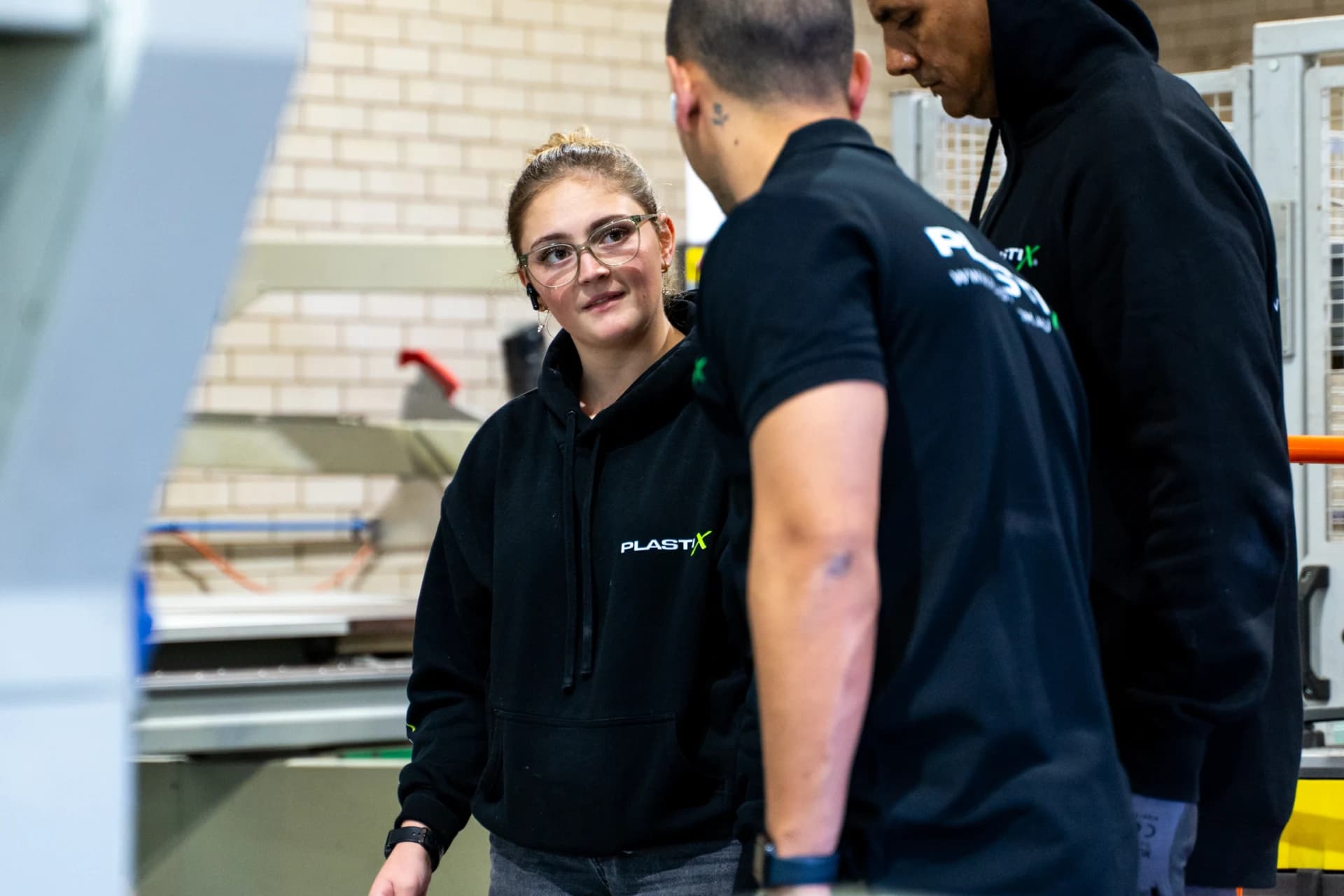
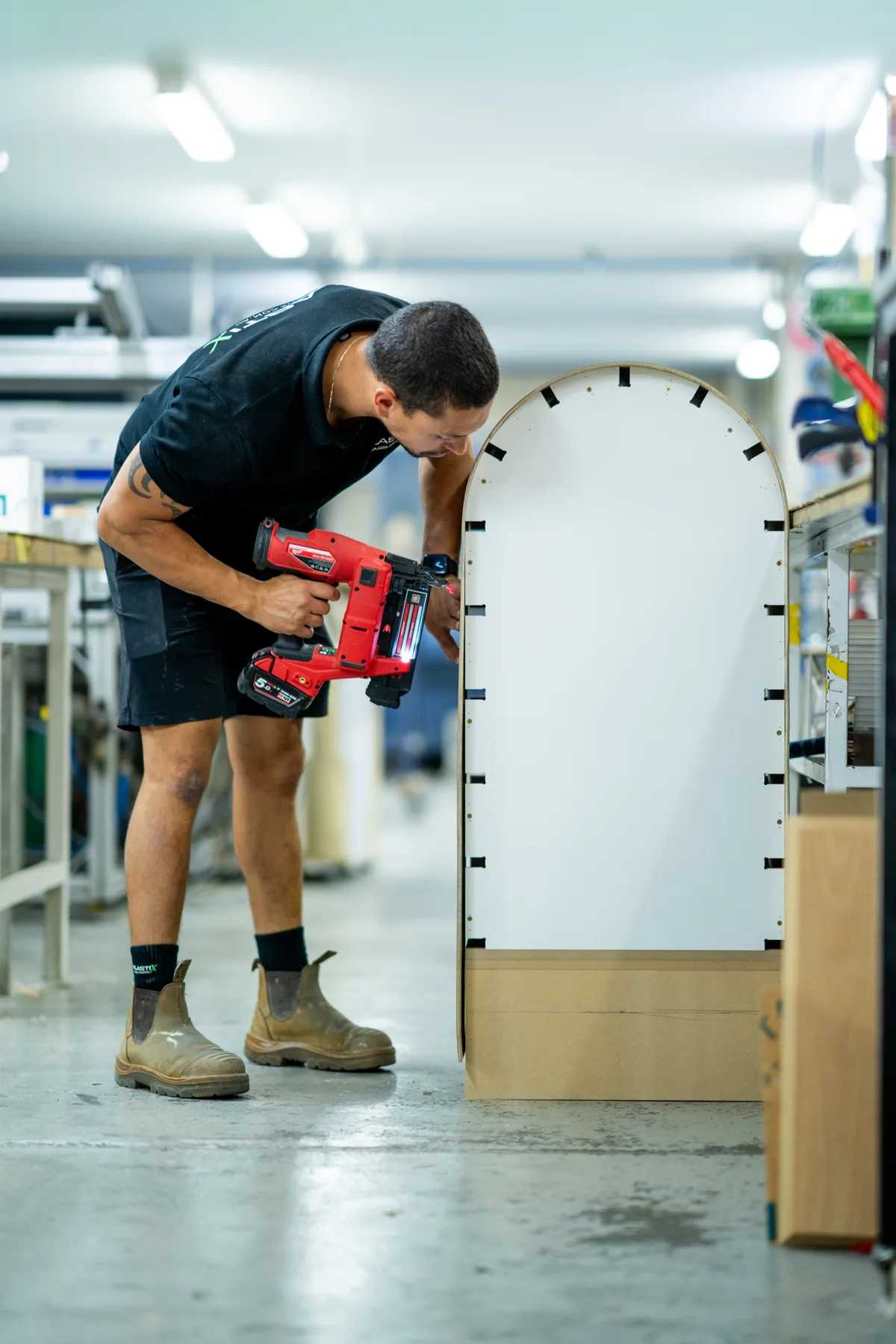
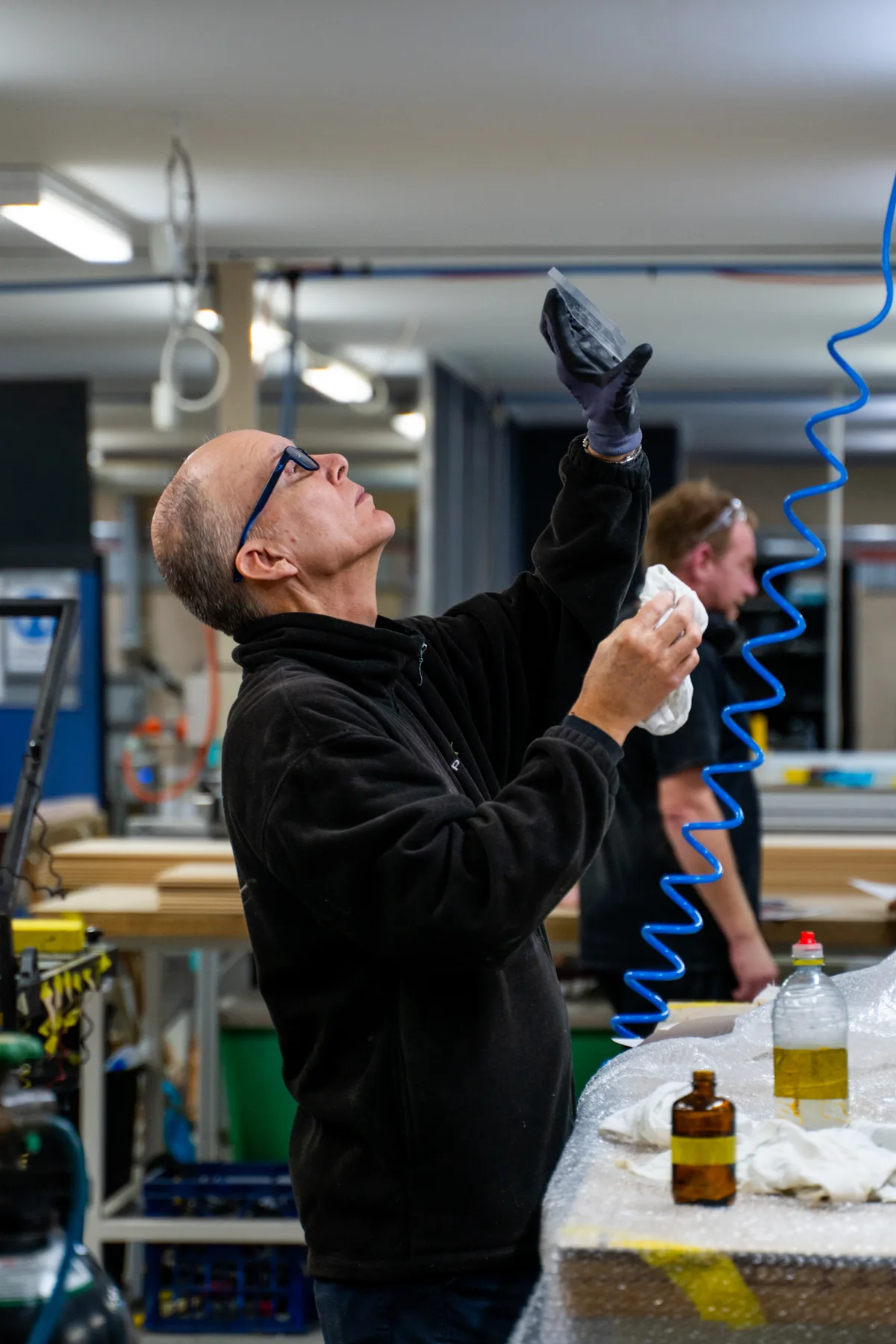
Every mock-up & prototype job runs through our Kingsgrove workshop, handled by people who have been doing this for decades. Consistent results, tight tolerances, and fast turnaround.
Service Guide
When prototyping is the right fit
Mock-ups and prototypes are useful when the design, fit, material, size, or assembly method needs to be proven before a production run or client approval.
They are common for display products, guards, covers, fixtures, packaging components, signage ideas, retail units, and custom parts where a mistake in the final batch would be expensive.
Choose prototyping when you need to test real dimensions, handling, visual weight, clearance, or material behaviour. A prototype can be rough and functional or close to production finish depending on the goal.
Prototype brief notes
A good prototype brief explains what needs to be tested. Fit, look, strength, colour, customer approval and production cost are different goals, and each may change the material or finish choice.
If the prototype will be shown to a client, note the presentation standard. A proof-of-fit part can be simple, while a boardroom approval sample may need polished edges, better finish and cleaner packaging.
If the design is likely to change, call that out. The workshop can quote a practical first version without over-investing in details that may be revised after testing.
For fit checks, mark the surfaces that matter and the surfaces that can stay rough. That keeps the prototype focused on the decision you need to make rather than turning every early sample into a finished product.
How prototype jobs are quoted
Pricing depends on material, drawings, file setup, cutting method, assembly, finish level, and whether the prototype is one piece or a small sample batch.
For product development, keep notes from each version. Small changes in bend angle, thickness, hole size, edge finish or material can explain why one version works better than another.
If the prototype is successful, Plastix can use the approved sample, drawing or file as the basis for a cleaner production quote. That makes the next step faster and more accurate.
If the prototype will be tested by staff, customers or installers, include how it will be handled. Real handling often reveals details that a desk review misses, including flex, grip, weight and clearance.
What To Send With Your Quote
- What the prototype needs to prove
- Sketch, CAD file, drawing, photo or sample
- Material preference or options to compare
- Finish level: rough test, client sample or production-like
- Quantity, deadline and likely next run size
- Known risks, fit points or approval requirements
Related Services
Common Questions
Can Plastix make one prototype before production?
Yes. Plastix can make one-off prototypes or small sample batches to test dimensions, fit, material and finish before larger production.
Does a prototype need to be production quality?
Not always. Some prototypes only need to prove fit or shape, while client-facing samples may need a more polished finish.
Can the prototype be used for a production quote later?
Yes. An approved prototype, drawing or file can become the reference for a production quote and repeatable build process.