PVC Sheets & Foamboard, Supply & Machining
Lightweight, versatile, and easy to fabricate
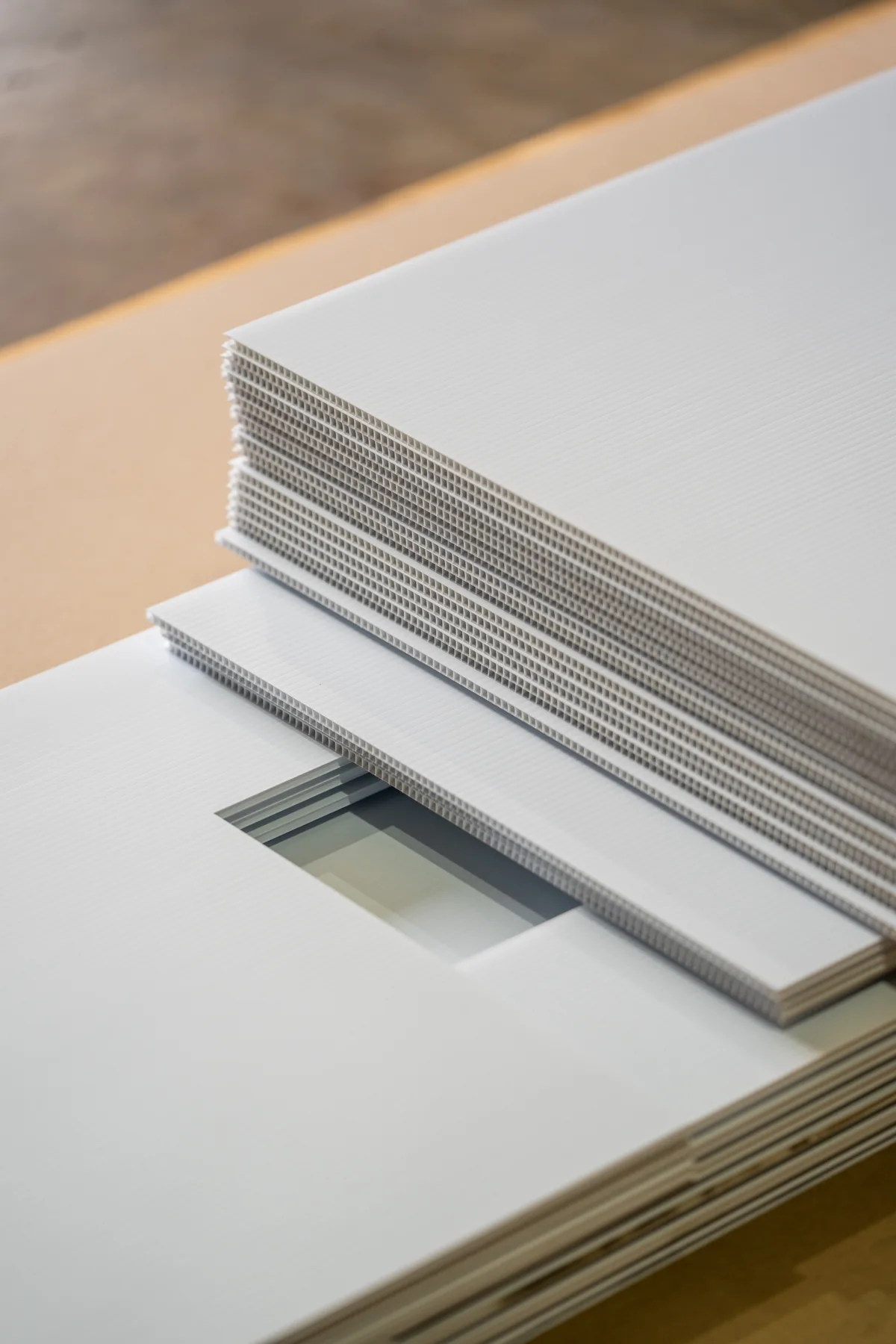
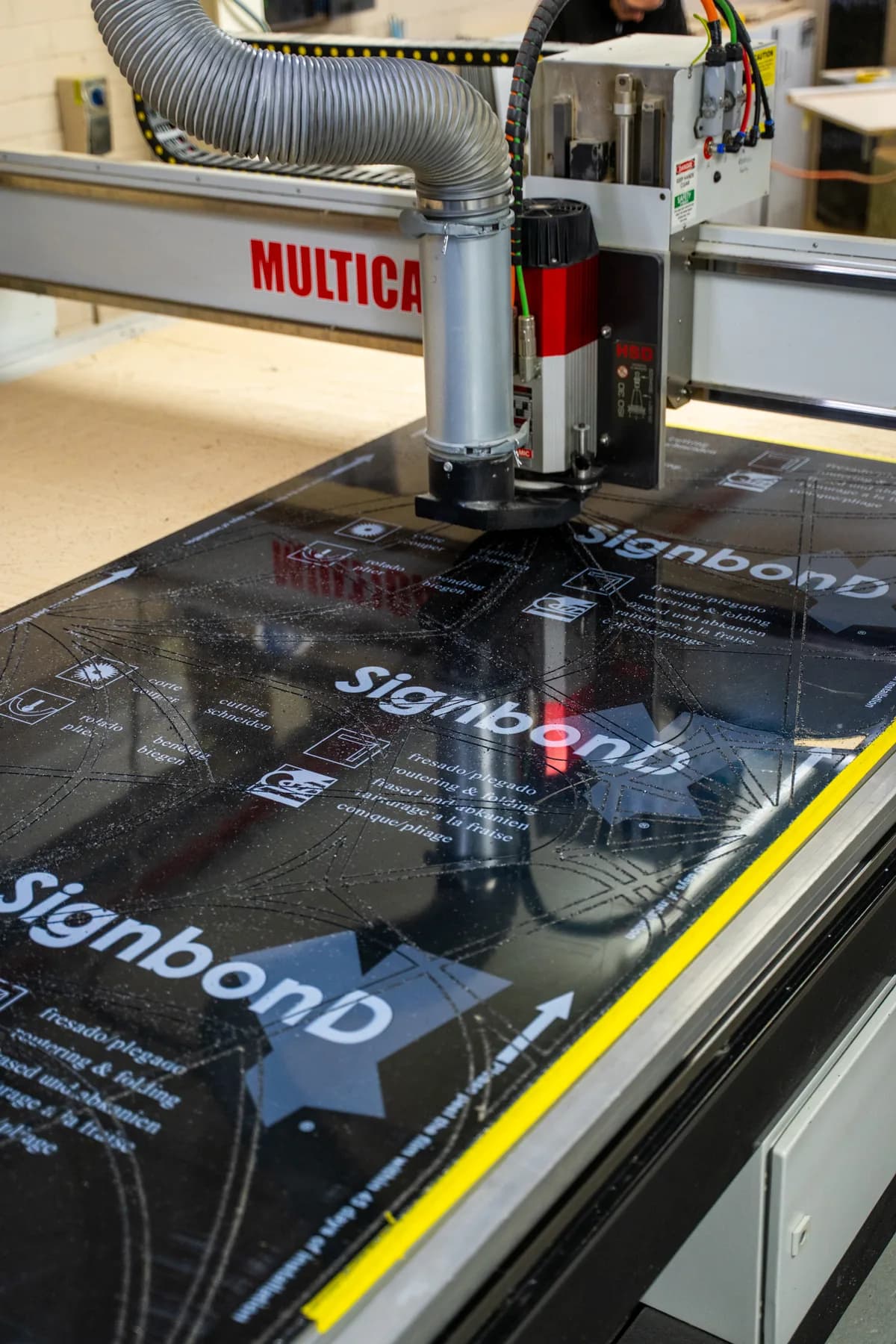
Plastix supplies PVC sheet, expanded PVC foamboard and PVC rod for signage, fitout and industrial applications. Services include volume sheet supply, saw cutting and CNC machining for holes and profiles. Order sheets or request finished panels and components, with stock, colour and thickness confirmed before production.
PVC foamboard is lightweight and commonly used for printed signage and displays. Rigid PVC sheet is denser and better suited to chemical-resistant panels, linings and utility parts. Suitable orders can be collected in Kingsgrove or reviewed for Australia-wide freight.
Choose what you need
PVC (Foamboard & Rigid) supply and services
Order sheet material, request cutting or discuss a custom part. Pricing and availability depend on the material and job.
Key Properties
Weight
Foamboard is lighter; rigid PVC is denser
Chemical Resistance
Grade and exposure dependent
Fire Performance
Confirm the specified grade
Temperature Range
-10°C to 60°C
Surface
Smooth matte (foam) / Gloss (rigid)
Fabrication
Saw, CNC, router, print
PVC sheet cutting
Cut and finished in-house
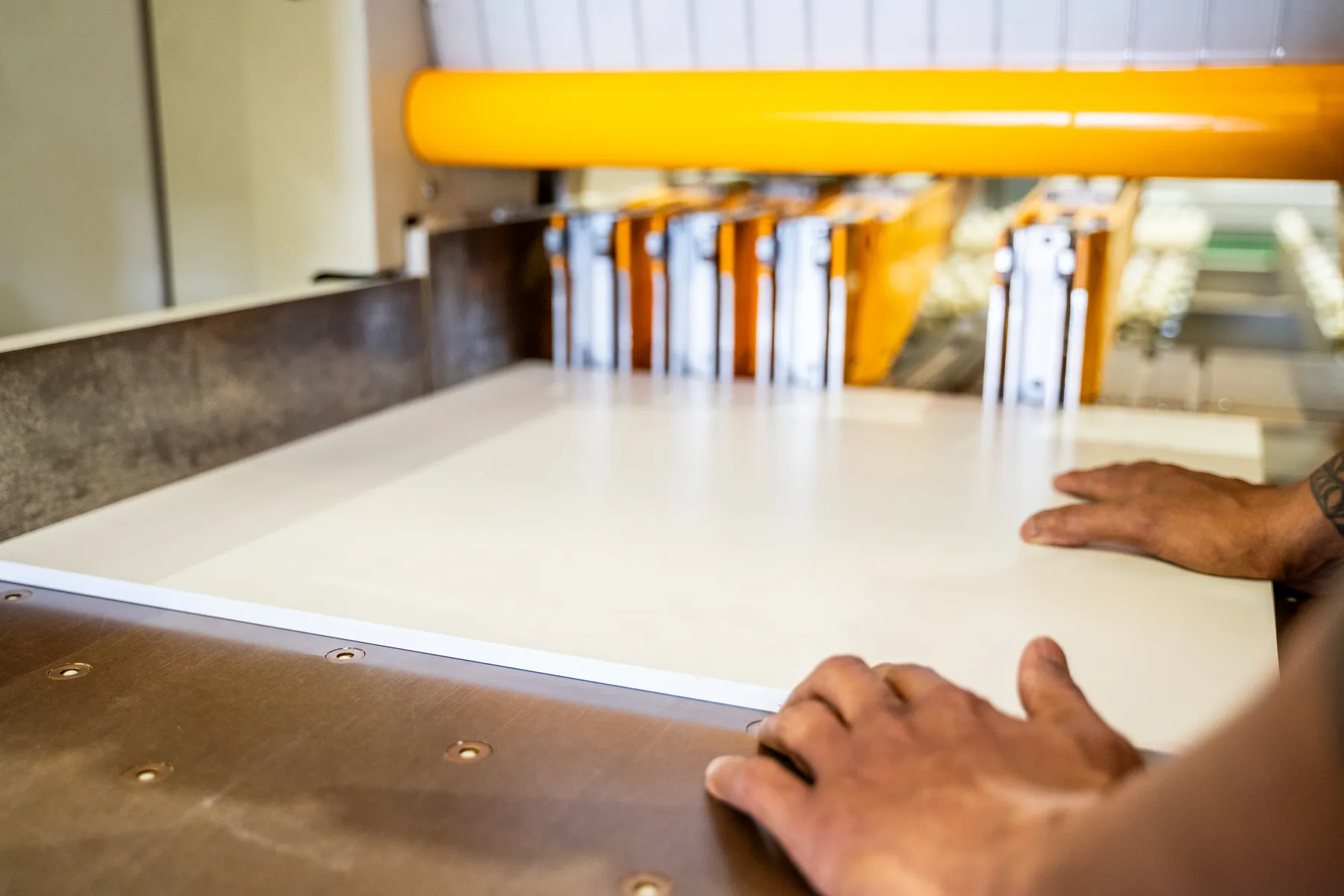
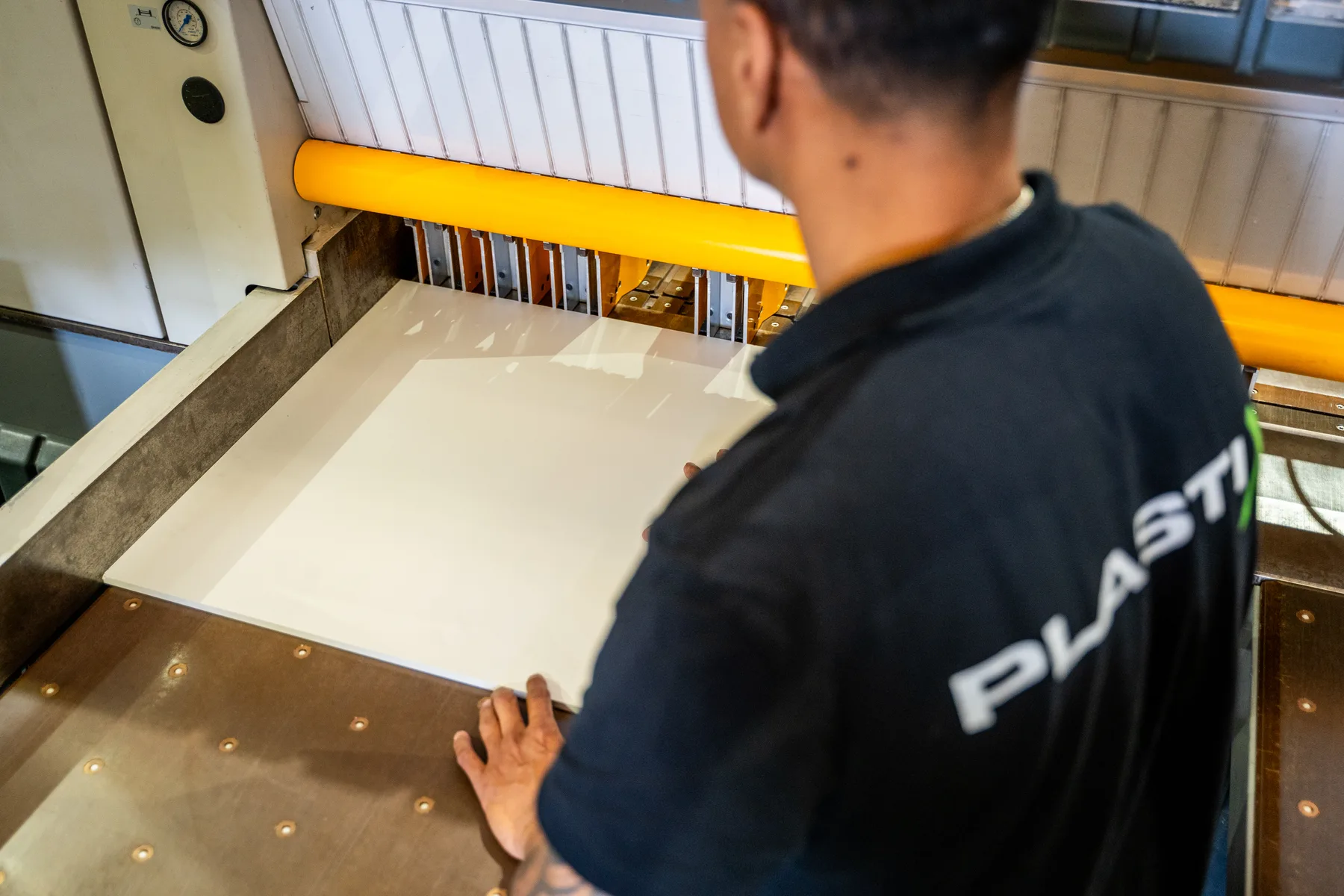
From a single sheet to repeat production, Plastix reviews the material, dimensions and finish before the job enters the Kingsgrove workshop. Straight cuts, detailed machining and fabricated work follow different production paths, so the quote or checkout confirms what applies to the selected job.
Available Thicknesses
1mm – 16mm
Common Applications
- Printed signage and displays
- Wall cladding and linings
- Exhibition and event graphics
- Chemical storage tank linings
- Bathroom and wet area panels
- Stencils and templates
Buying Guide
When PVC sheet is the right choice
PVC is a practical choice when you need a sheet that is light, easy to cut, easy to print, or resistant to moisture and many chemicals. It is commonly used for signs, display panels, templates, fitout panels, protective linings, and general workshop parts.
The key is choosing the right PVC format. Expanded PVC foamboard is lightweight and popular for signage and display work. Rigid PVC is denser and more suitable for industrial panels, chemical-resistant parts, linings, and more durable utility jobs.
Foamboard vs rigid PVC
Foamboard is easier to handle and install because it is lighter. It has a smooth surface, cuts cleanly, and suits printed signs, exhibition panels, point-of-sale displays, and temporary or semi-permanent fitout work.
Rigid PVC is denser and is used for utility panels, linings and machined parts. For chemical exposure, include the substance, concentration, temperature and contact time so the grade can be checked. Foamboard and rigid PVC are not interchangeable simply because they share a nominal thickness.
Cutting, routing, and ordering notes
PVC sheet is usually saw cut or CNC routed. It can be drilled, shaped, and supplied as simple cut panels or more detailed profiles. For printed signage, confirm whether the supplier or printer needs a specific sheet size, edge quality, or protective film left on.
Specify rigid PVC or expanded PVC foamboard, then the colour, thickness, finished panel dimensions and quantity. Add the largest panel size and delivery postcode for a freight quote. Availability and online pricing depend on the selected combination; full sheets and special requirements are confirmed by the team.
For fitout or display work, note whether the panel will be screwed, taped, glued, framed, or printed. Fixing method changes the best thickness, edge finish, and whether holes or slots should be added before pickup.
If the sheet is going into a wet area, workshop, or chemical-prone space, explain the environment in the quote notes. That helps the team check whether rigid PVC, foamboard, ACP, or another material is the better fit.
Compatible Services
Choose a PVC format
Rigid PVC sheet cut to size
Dense PVC sheet for industrial panels, linings and CNC-machined parts.
View product guide →PVC foamboard cut to size
Lightweight expanded PVC panels for signs, displays and fitouts.
View product guide →PVC rod
Solid grey PVC rod for cut lengths and machined components.
View product guide →Common Questions
What is the difference between PVC and foamboard?
Foamboard is expanded PVC: lighter, easy to cut, and popular for signs and displays. Rigid PVC is denser and better for tougher industrial, chemical-resistant, or utility panels.
Can PVC be cut to size?
Yes. PVC and foamboard can be cut to size, though some colours, thicknesses, or sheet formats may be quote-based instead of instant-priced online.
Is PVC suitable for outdoor signage?
PVC foamboard is commonly used for signage, but the right grade and thickness depend on exposure, fixing method, lifespan, and print requirements. For long-term outdoor signage, ACP may also be worth comparing.
Do you supply PVC sheets and panels Australia-wide?
Plastix can review Australia-wide freight for suitable PVC sheet orders. Provide the delivery postcode, largest panel size and quantity so packing and freight can be checked.