HDPE Sheets, Cutting & CNC Machining
CNC machining, saw cutting and volume sheet supply
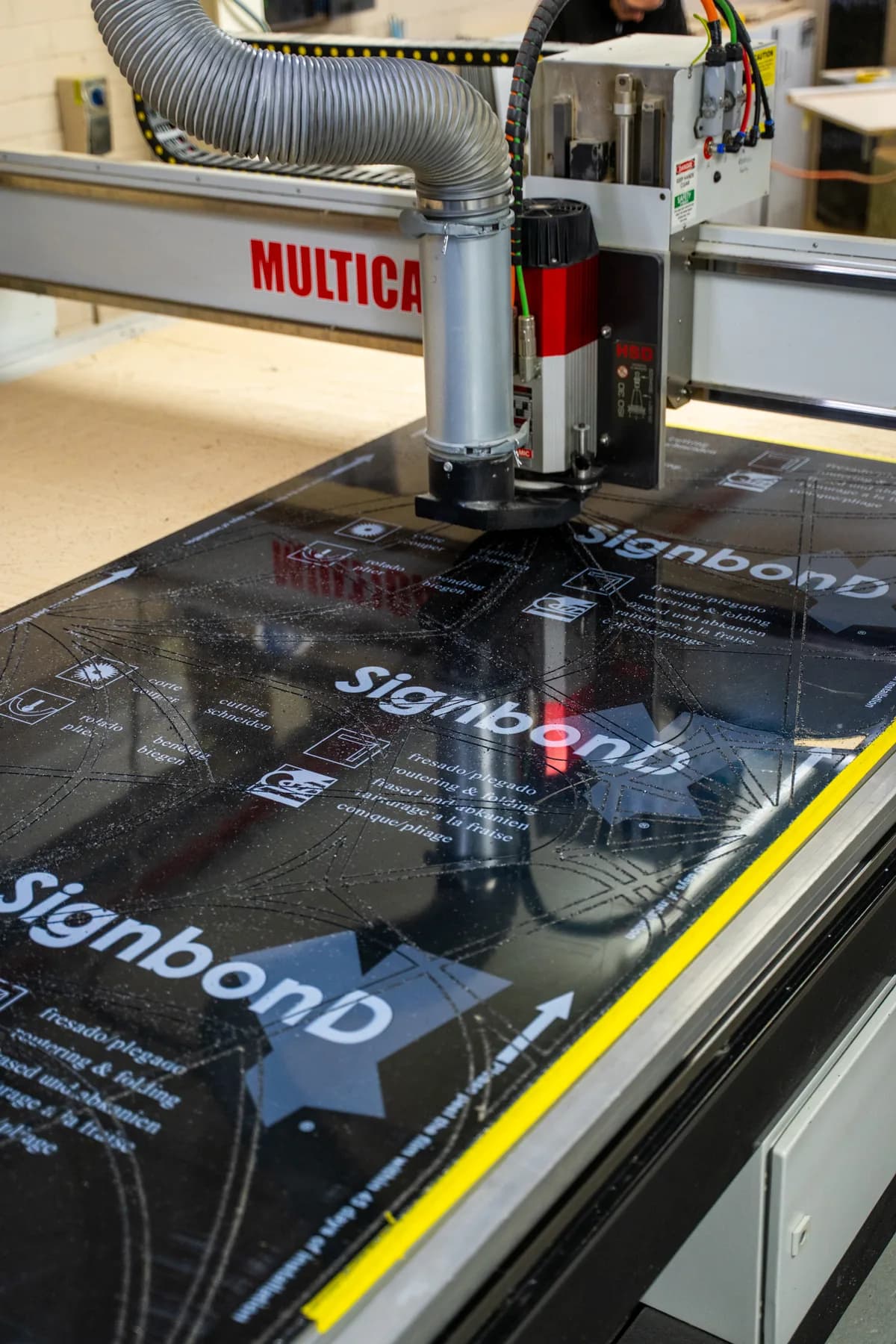
Plastix offers HDPE CNC machining, saw cutting and volume sheet supply from Kingsgrove, Sydney. Request black or natural HDPE sheets for your project, panels cut to size or machined components made to your drawing. The calculator is one way to request a cut-panel quote; contact the team for machining or volume sheet supply.
HDPE (high-density polyethylene) is used for cutting boards, wear strips, marine components and industrial liners. Pickup is available from Kingsgrove; delivery and Australia-wide freight depend on the size and destination. Tell the team if you need a food-contact or outdoor grade so suitability can be checked before ordering.
Choose what you need
HDPE supply and services
Request CNC machining, saw cutting or volume sheet supply. Cut-panel pricing is confirmed by the team.
Key Properties
Chemical Resistance
Excellent, most acids/bases
Moisture Absorption
Near zero
Food Contact
Selected grades; verify certification
UV Resistance
Good (black grades)
Temperature Range
-50°C to 80°C
Fabrication
Saw, CNC, drill, weld
Bench work
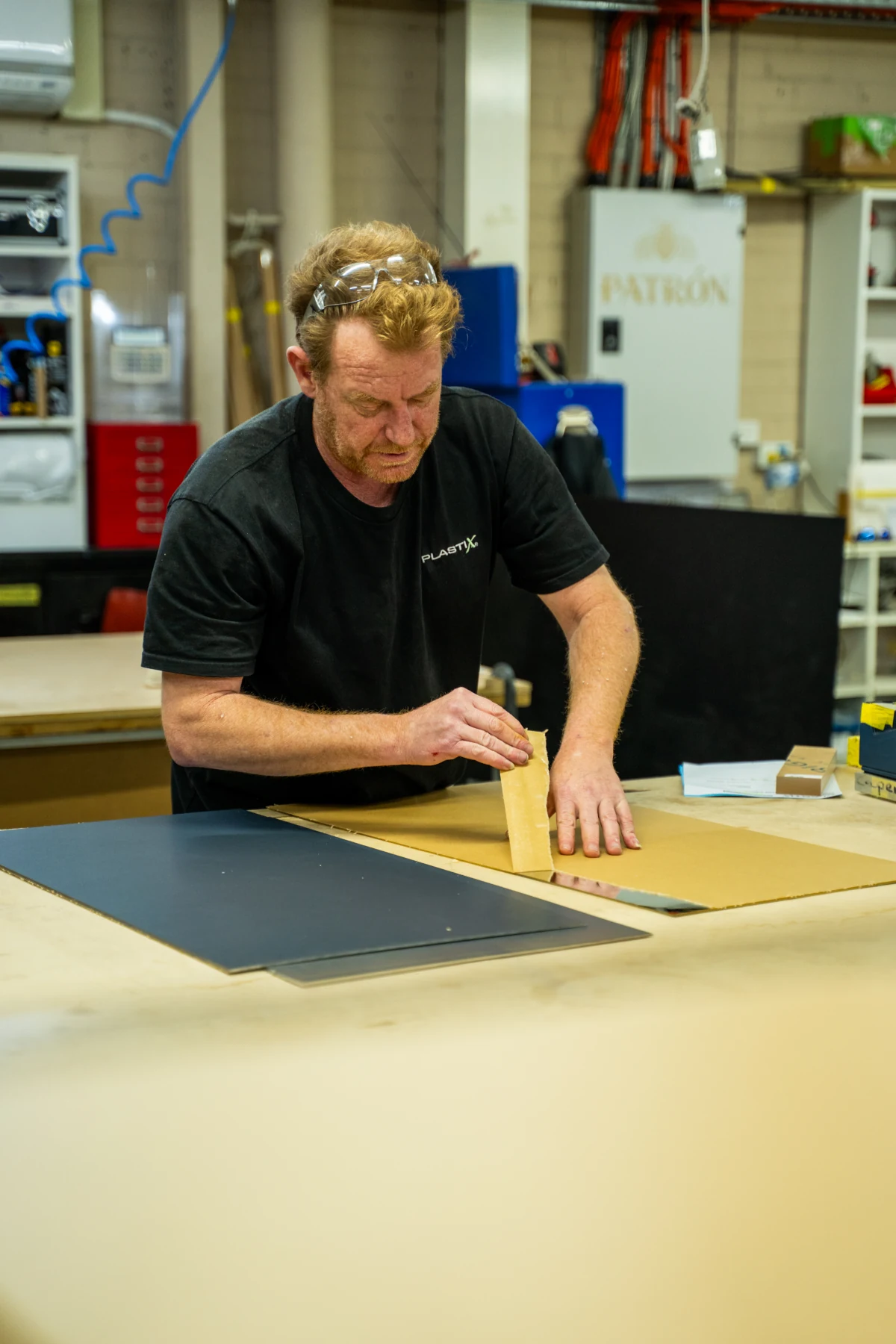
Cut and finished in-house
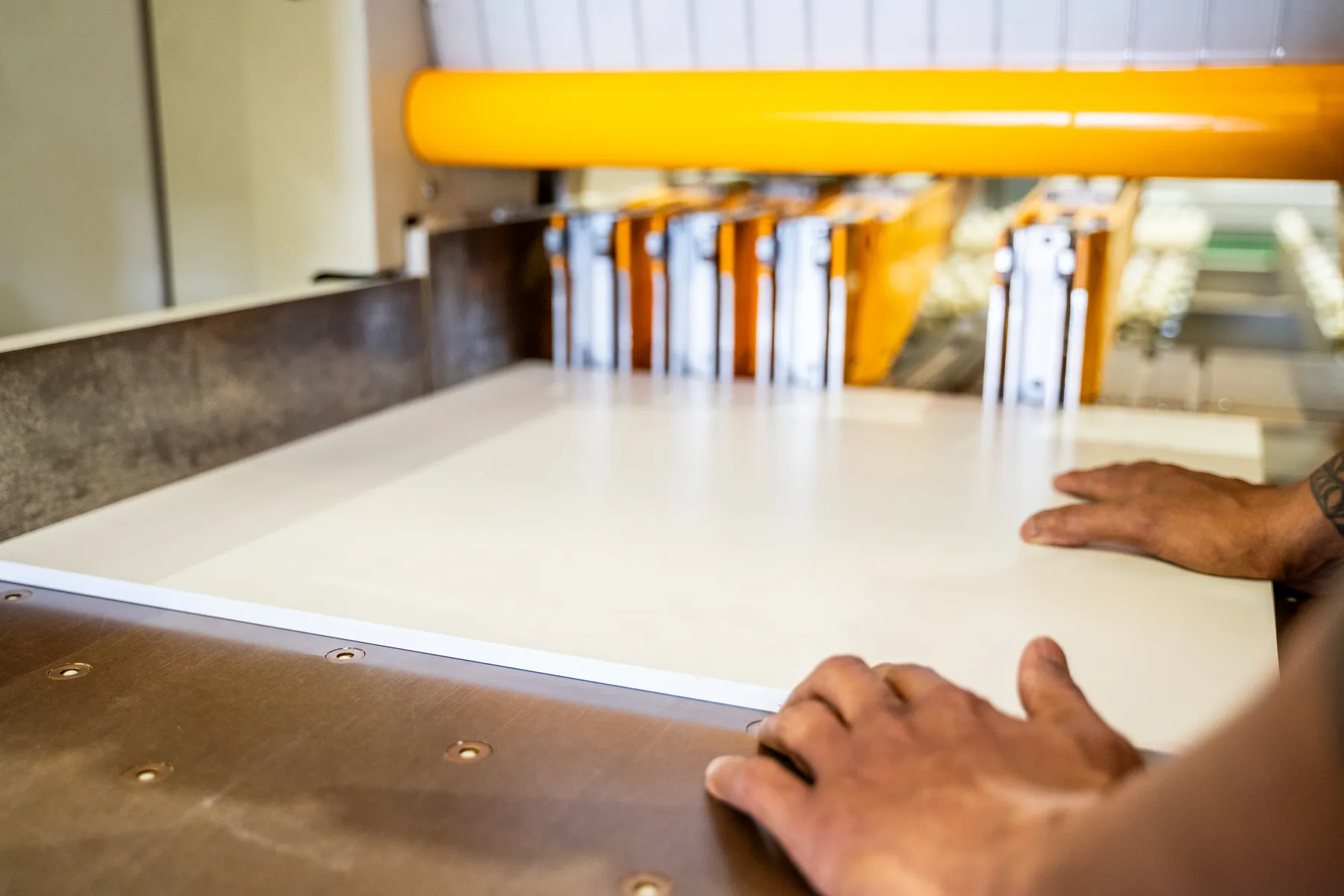
From a single sheet to repeat production, Plastix reviews the material, dimensions and finish before the job enters the Kingsgrove workshop. Straight cuts, detailed machining and fabricated work follow different production paths, so the quote or checkout confirms what applies to the selected job.
Available Thicknesses
1mm – 50mm
Common Applications
- Commercial cutting boards
- Marine components and fittings
- Chemical tank linings
- Playground equipment
- Agricultural machinery parts
- Conveyor components
Buying Guide
When HDPE is the right choice
HDPE is a tough utility and engineering plastic for wet, abrasive, chemical, food, marine, and industrial environments. It is chosen because it handles rough use, does not absorb water, and can be machined into practical parts rather than display pieces.
Common jobs include cutting boards, tank linings, wear strips, marine components, conveyor parts, agricultural parts, protective panels, and workshop fixtures. If the part needs to survive cleaning, water, chemicals, or constant handling, HDPE is often worth comparing before ordering acrylic or PVC.
Colour, thickness, and movement
Natural HDPE is commonly used where a white or food-contact look is preferred. Black HDPE is often selected for outdoor or industrial work, especially where UV stability and a tougher utility finish matter.
HDPE moves more with temperature than some sheet materials, so fixing holes, clearances, and panel size matter. Large outdoor panels, tank liners, and machine parts should be quoted with their install environment, not just their width and height.
For replacement parts, measure the working surfaces as well as the outside dimensions. Wear strips, guides, boards, and liners often need chamfers, rounded corners, oversized fixing holes, or clearance around moving components so they install cleanly and do not bind under load.
Machining, welding, and ordering notes
HDPE can be saw cut, CNC machined, drilled, and welded. It is not a polish-and-display material like acrylic; it is better treated as a working plastic for parts, liners, boards, and components.
For machined parts, include tolerances, hole positions, countersinks, radius requirements, and whether the part needs to match an old component. For food or commercial kitchen work, explain the contact surface, cleaning method, and whether the board needs rounded edges or specific handling details.
If the job involves chemicals, send the chemical name or environment rather than only saying chemical resistant. HDPE has broad resistance, but the team still needs to check the application before quoting a tank, liner, or industrial part.
For repeat supply, note whether the same part will be reordered later. A clean drawing or retained sample makes future HDPE batches faster to quote and easier to keep consistent.
Compatible Services
HDPE CNC machining
Machined HDPE parts, holes, profiles, wear strips, and repeat components.
View service →
HDPE saw cutting
Straight cut boards, panels, liners, marine parts, and workshop blanks.
View service →
Volume sheet supply
Quoted HDPE sheet supply for industrial, food, marine, and trade projects.
View service →
Common Questions
Can Plastix supply HDPE sheets as well as cut or machined parts?
Yes. Plastix offers volume HDPE sheet supply, saw cutting and CNC machining. Tell the team the sheet sizes, thickness, colour and quantity for supply, or send dimensions and drawings for cut panels and machined components. Stock, grade suitability and pricing are confirmed for the job.
What sizes and thicknesses of HDPE sheet can I order?
The Plastix calculator supports HDPE sheet dimensions up to 3000 × 1500 mm and thickness options from 1 to 50 mm. Cut panels require quote review; full-sheet pricing is shown where available. Choose black or natural and enter your dimensions; ask the team to confirm stock, special grades or sizes outside the calculator.
Can I order an HDPE panel without buying a whole sheet?
Yes. Select HDPE in the cut-to-size calculator and enter the panel dimensions and quantity you need for a quote. For holes, shaped profiles or repeat machined parts, send a drawing for CNC quote review. The team confirms the price and stock before the order proceeds.
Is HDPE food safe?
Many HDPE grades are used for food-contact applications such as cutting boards and food handling surfaces. The exact grade and use case should be confirmed when quoting.
Can HDPE be used outdoors?
Yes, especially black UV-stabilised grades. Outdoor panel size, fixing method, and temperature movement should still be considered before ordering.
Can HDPE be CNC machined?
Yes. HDPE can be CNC machined, drilled, saw cut, and welded. It is well suited to practical industrial parts, boards, liners, and components.