Acrylic & Perspex Sheets Cut to Size
Clear, versatile and easy to fabricate
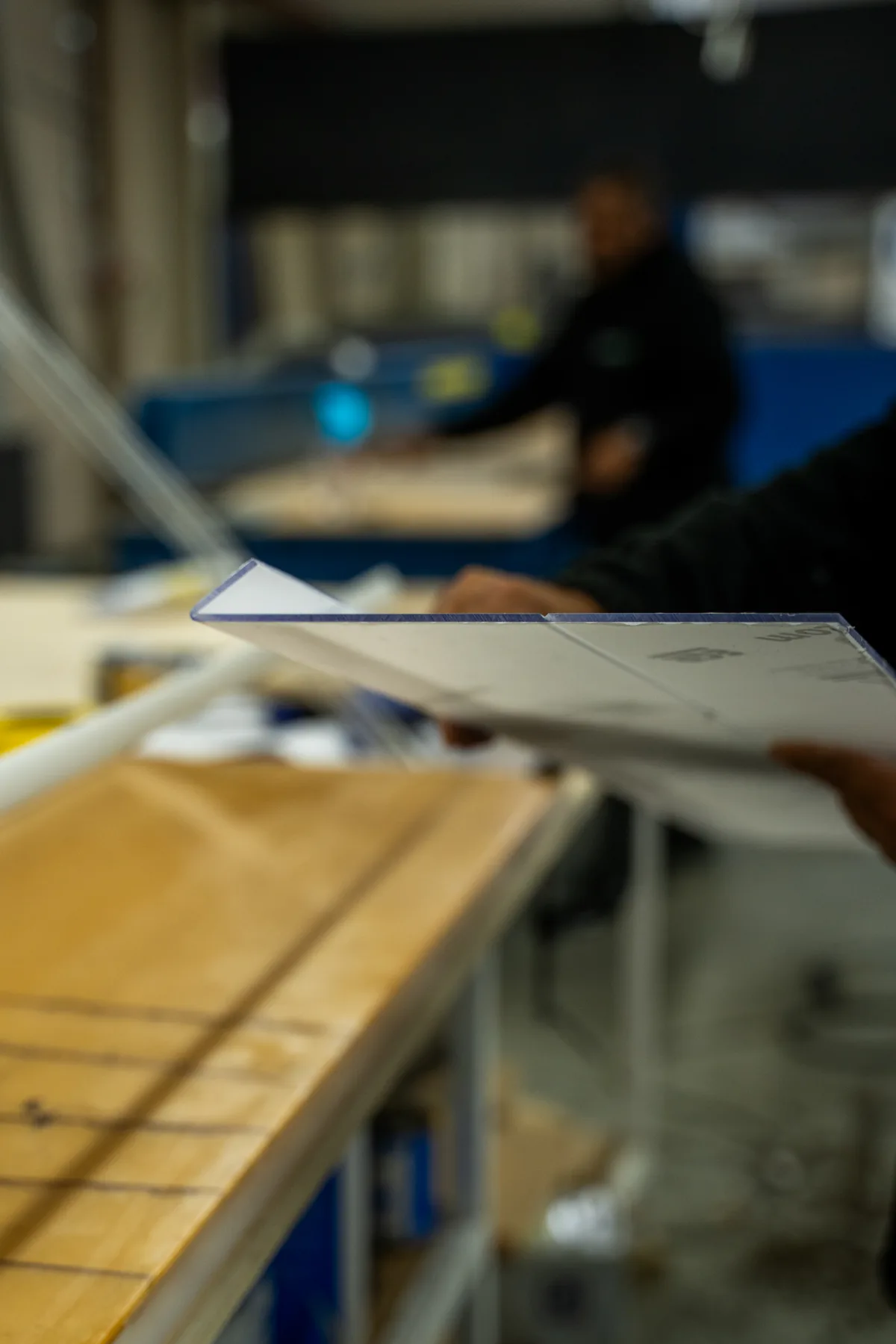
Plastix supplies acrylic sheet and Perspex cut to size for display, signage, protective panels and fabrication projects across Australia. Clear, opal, coloured, frosted, fluorescent, tinted and mirror acrylic sheet options are available depending on grade, thickness and stock.
Acrylic sheets can be saw cut, laser cut, CNC machined, bent, polished and fabricated. Use the calculator for suitable stocked sheet combinations, or send the dimensions and finish requirements for quote review.
Fastest path
Get pricing for Acrylic (Perspex) now.
Start with this material preselected. Enter dimensions for instant pricing or send the setup for quote review.
Key Properties
Clarity
92% light transmission (clear)
Impact Strength
Higher than standard glass
UV Resistance
Excellent, won't yellow
Temperature Range
-40°C to 80°C
Density
1.19 g/cm³
Fabrication
Laser, CNC, saw, bend, polish
Acrylic sheet stock
Cut and finished in-house
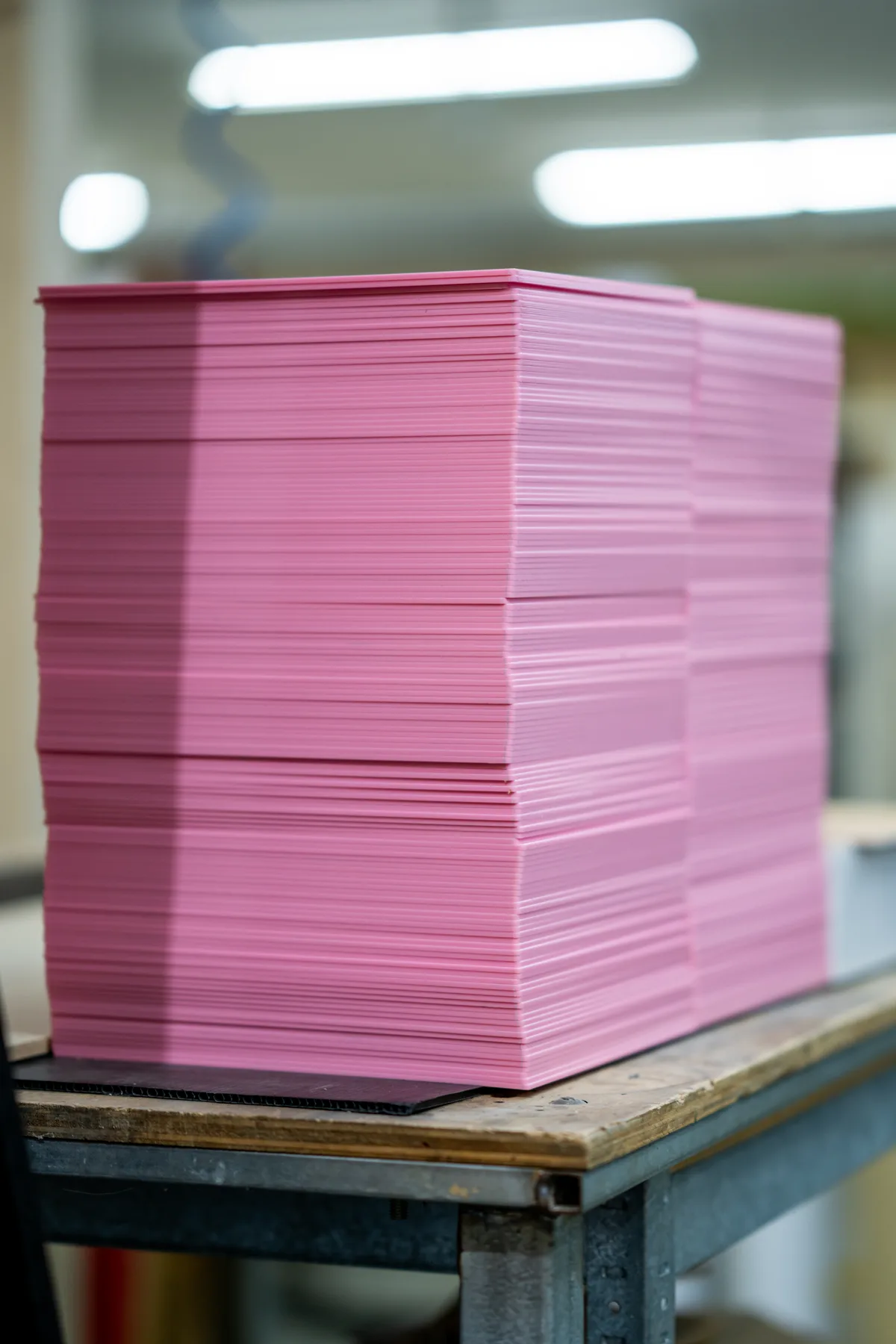
From a single sheet to repeat production, Plastix reviews the material, dimensions and finish before the job enters the Kingsgrove workshop. Straight cuts, detailed machining and fabricated work follow different production paths, so the quote or checkout confirms what applies to the selected job.
Available Thicknesses
1.5mm – 50mm
Common Applications
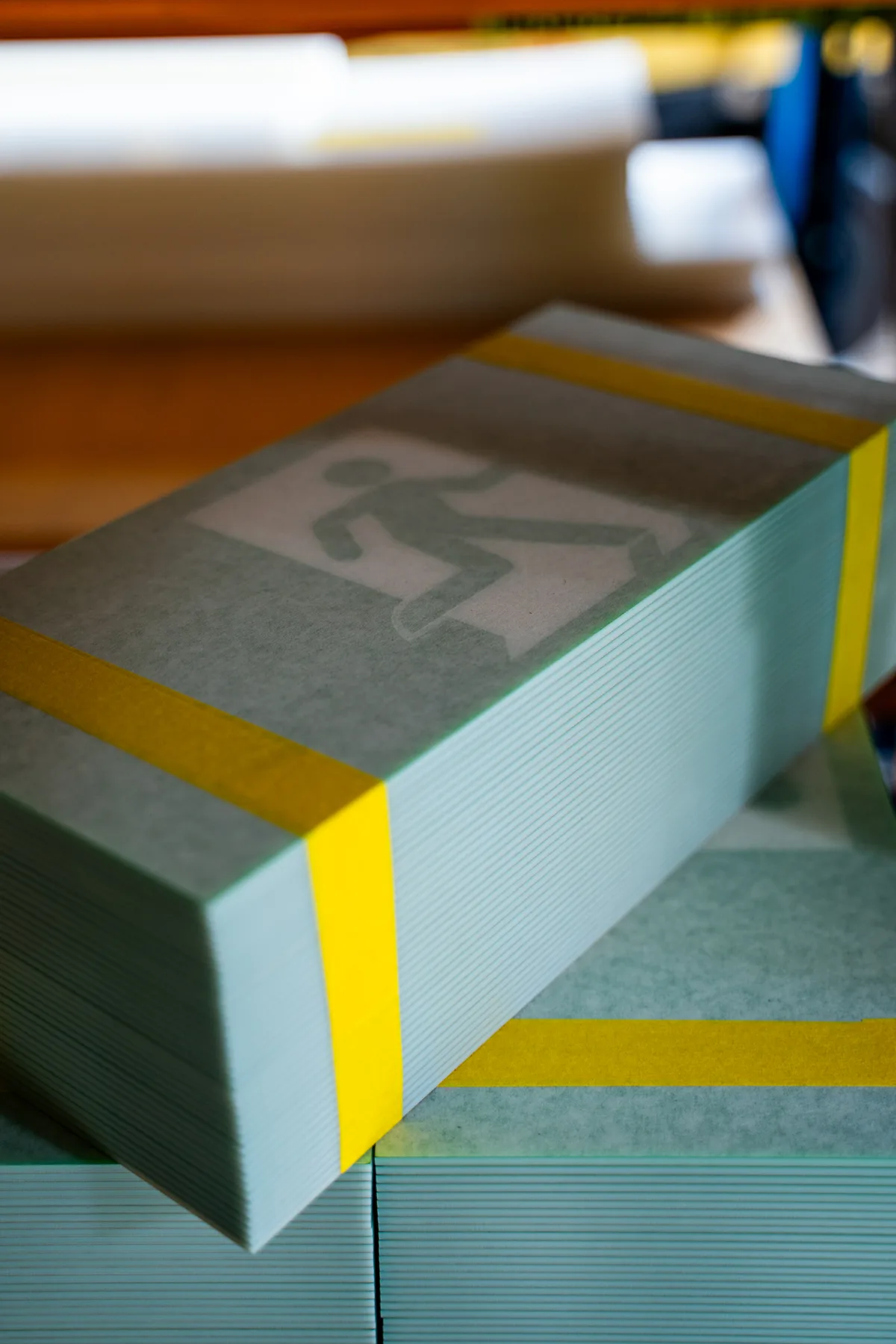
- Signage and point-of-sale displays
- Protective screens and sneeze guards
- Skylights and roof panels
- Retail display cases and plinths
- Furniture and interior design
- Aquariums and terrariums
- Picture framing and glazing
- Architectural features and balustrades
Buying Guide
When acrylic is the right choice
Acrylic is the best starting point when you need a clear, polished, display-quality plastic sheet. It gives you glass-like clarity at a much lower weight, and it can be cut, engraved, bent, bonded, and polished into finished parts rather than just flat panels.
For most retail, signage, display, framing, cover, and general protective-screen jobs, acrylic gives the best balance of presentation, price, colour range, and fabrication flexibility. Clear acrylic is the classic option, but opal, frosted, tinted, fluorescent, mirror, and solid colours can change the result dramatically.
Cutting, finishing, and fabrication notes
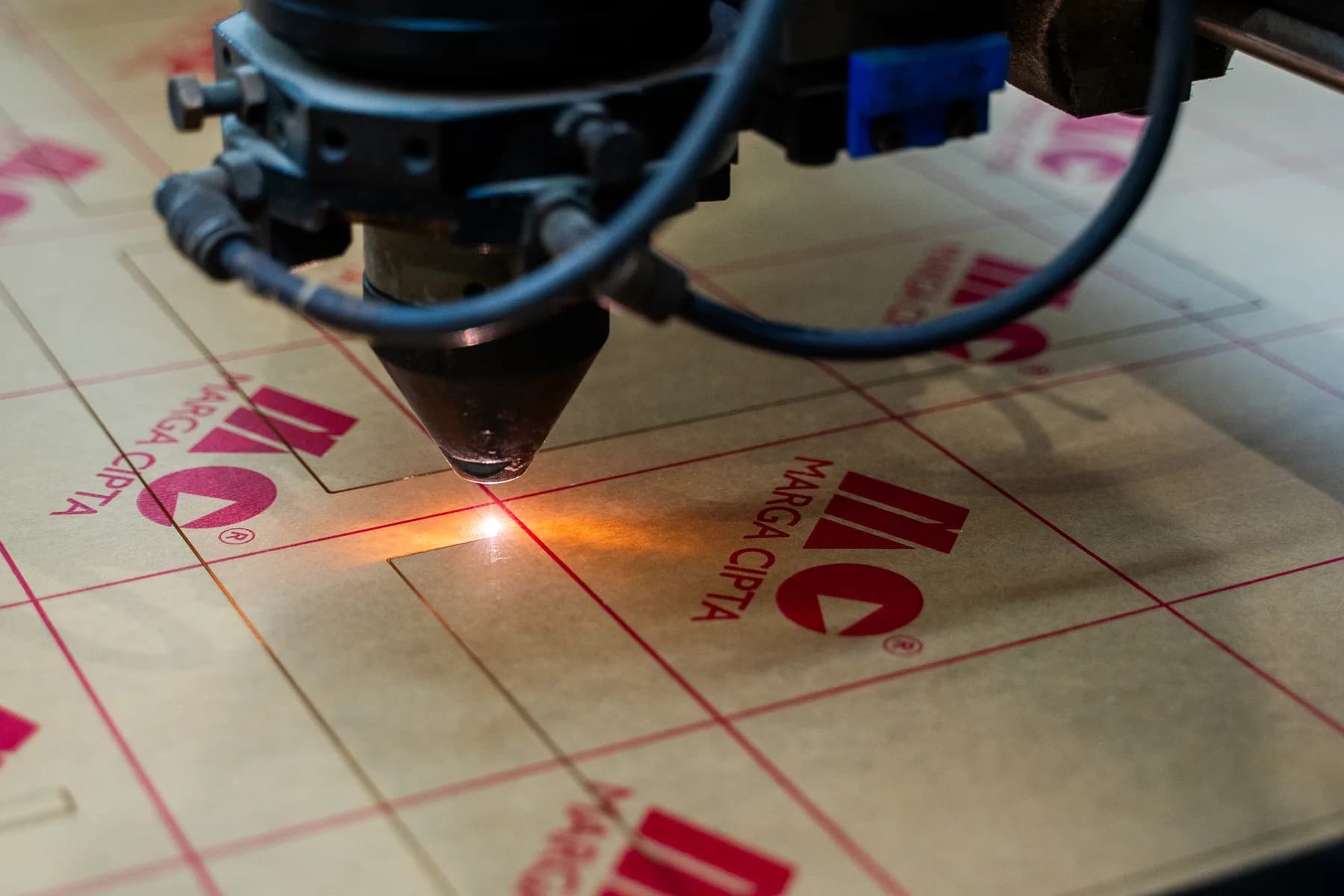
Acrylic works well with laser cutting when you need clean edges, small profiles, letters, display pieces, or decorative work. CNC routing is better for thicker parts, larger panels, pockets, slots, countersinks, and more technical components. Straight saw cutting is usually the most efficient option for simple rectangular sheets.
Edges can be left as-cut for utility pieces, flame or diamond polished for display work, or fabricated into boxes, covers, guards, plinths, risers, and display cases. If the part needs tight fitting, fixing holes, bends, or glued joins, send the drawing or notes with the quote so the team can choose the right process.
What to check before ordering
For cut-to-size orders, confirm the visible face, whether the sheet needs to stay optically clear, and whether the edges will be seen. Small scratches and machining marks matter far more on retail displays than they do on protective covers or templates.
For outdoor use, acrylic is usually a good option because UV-stabilised grades resist yellowing, but impact risk still matters. If the panel is in a public, vandal-prone, or high-impact location, compare it with polycarbonate before ordering.
Compatible Services
Acrylic laser cutting
Clean profiles, lettering, display parts, and polished-looking cut edges.
View service →
Acrylic fabrication
Boxes, covers, guards, plinths, displays, risers, and custom joined work.
View service →
CNC machining
Thicker acrylic, slots, pockets, countersinks, and repeatable production parts.
View service →
Product Guides
Clear acrylic sheets
Clear acrylic panels for displays, covers, glazing and fabrication.
View product guide →Black and white acrylic
Opaque gloss, matt and selected opal sheet options.
View product guide →Frosted and matt acrylic
Low-glare, privacy and diffuser-style acrylic finishes.
View product guide →Coloured acrylic sheets
Solid, translucent, fluorescent, pastel and special-order colours.
View product guide →Acrylic mirror sheets
Silver, gold and coloured mirror acrylic for cut panels and display work.
View product guide →Acrylic rods and tubes
Clear rod and tube for fabrication, displays and custom components.
View product guide →Common Questions
Is acrylic the same as Perspex?
Perspex is a well-known brand name for acrylic sheet. In day-to-day Australian usage, Perspex and acrylic usually refer to the same PMMA material family, though exact grade, colour, and thickness still matter.
Can acrylic be cut to size online?
Yes. Many acrylic colours and thicknesses can be priced instantly through the cut-to-size calculator. If a colour or thickness needs manual pricing, the site sends it as a quote request instead of showing a zero-dollar price.
Should I use acrylic or polycarbonate?
Use acrylic when clarity, finish, colour range, and display quality matter most. Use polycarbonate when impact resistance, guards, or safety glazing are the priority.
What acrylic sheet sizes and thicknesses are available?
Acrylic sheet is available across a broad range of thicknesses and sheet formats. The calculator shows supported cut-to-size combinations; full sheets, special colours and less common grades are confirmed by quote.
Can Plastix supply acrylic sheets Australia-wide?
Yes. Plastix can review Australia-wide freight for suitable acrylic sheet orders. Enter the delivery postcode and panel sizes so packing and freight can be checked.