
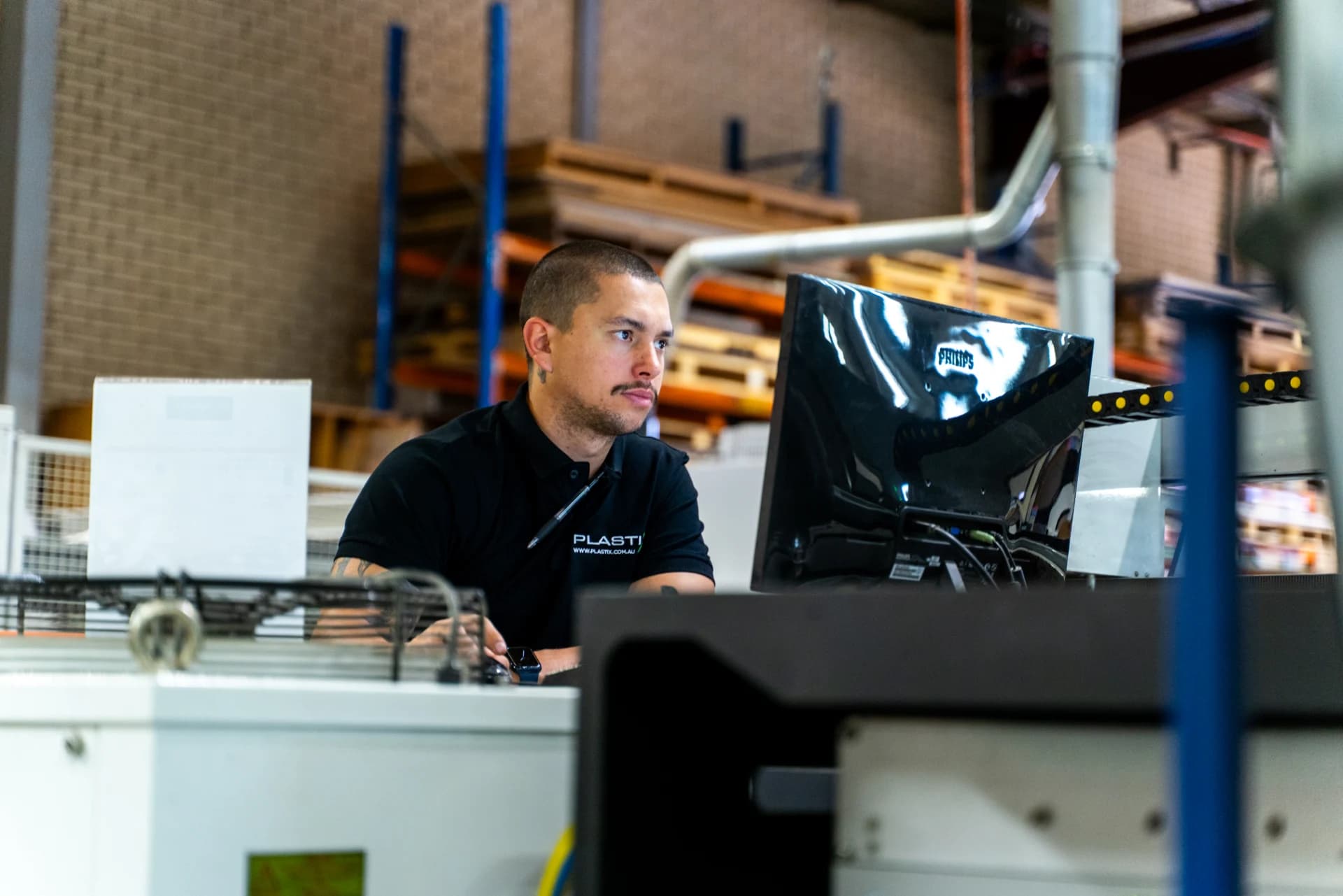
CNC Machining
Computer-controlled precision for complex parts and profiles
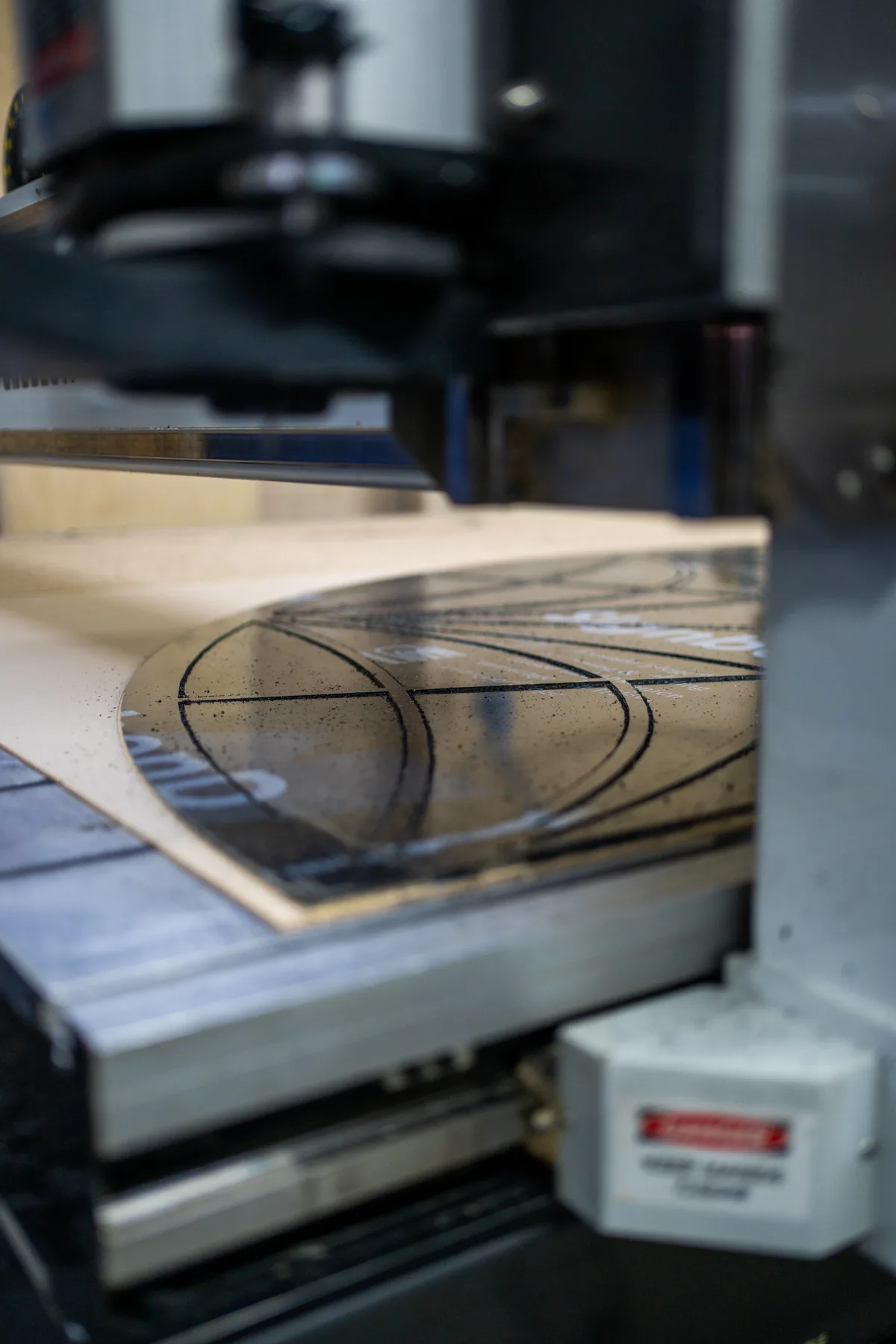
Our CNC routers handle complex 2D profiles and 3D machining operations across all plastic sheet materials. Perfect for parts requiring tight tolerances, repeatable accuracy, and smooth edge finishes.
CNC machining is ideal for production runs where consistency matters, and for materials that can't be laser cut (like polycarbonate and ACP).
Choose the quote path
Turn cnc machining interest into a quote faster.
Simple sheet work belongs in the calculator. Drawings, assemblies, and custom parts belong in the fabrication quote flow.
Capabilities
Tolerance
±0.2mm
Max Sheet Size
3050 × 2030mm
Max Thickness
80mm
Operations
Profile, pocket, drill, engrave
File Formats
DXF, DWG, AI, EPS, PDF
Turnaround
Usually 3–5 days (some jobs 1–3)
CNC routing
Precision work, in-house
Every cnc machining job runs through our Kingsgrove workshop, handled by people who have been doing this for decades. Consistent results, tight tolerances, and fast turnaround.
Service Guide
When CNC machining is the right fit
CNC machining is the right service when a plastic part needs repeatable profiles, holes, slots, pockets, countersinks, engraving, or more control than a straight saw cut. It is the workhorse process for technical plastic parts and production-style jobs.
It is especially useful for materials that are not ideal for laser cutting, including polycarbonate, ACP, HDPE, PVC and thicker engineering plastics. CNC routing also suits acrylic when the part is thick, needs holes, or has features that a laser should not cut.
Choose CNC when the part has to fit another object, line up with fixings, repeat across a batch, or match an existing component. It gives the workshop a controlled way to make parts that are more than simple rectangles.
Drawing and tolerance notes
CNC quotes are strongest when supplied with a DXF, DWG, AI, EPS, PDF, or dimensioned drawing. The file should show finished outer profile, holes, slots, pockets, countersinks, engraving, and any critical dimensions.
If the job is replacing an old part, send the part, photos, or a tracing if possible. Real-world parts often have worn edges, oversized holes, or hidden clearances that matter more than the nominal outside dimensions.
Tolerance should match the use case. Display panels, guards, jigs, brackets, and machine components do not all need the same precision. Tell Plastix which dimensions are critical so the team can choose the right setup and avoid over-engineering the rest.
How CNC jobs are quoted
Pricing depends on material, thickness, sheet yield, file setup, toolpath complexity, machining time, quantity, and finishing. A part with many holes can take longer than a larger simple panel, so area alone is not the only cost driver.
For repeat jobs, quantity and nesting matter. Multiple parts can often share a sheet and setup, which may reduce unit cost compared with one-off machining.
If the part needs assembly, bending, polishing, hardware, or labels after machining, include those steps in the quote. CNC can be one stage in a larger fabrication job rather than the final output.
What To Send With Your Quote
- DXF, DWG, AI, EPS, PDF or dimensioned drawing
- Material, colour, thickness and quantity
- Critical tolerances and fit requirements
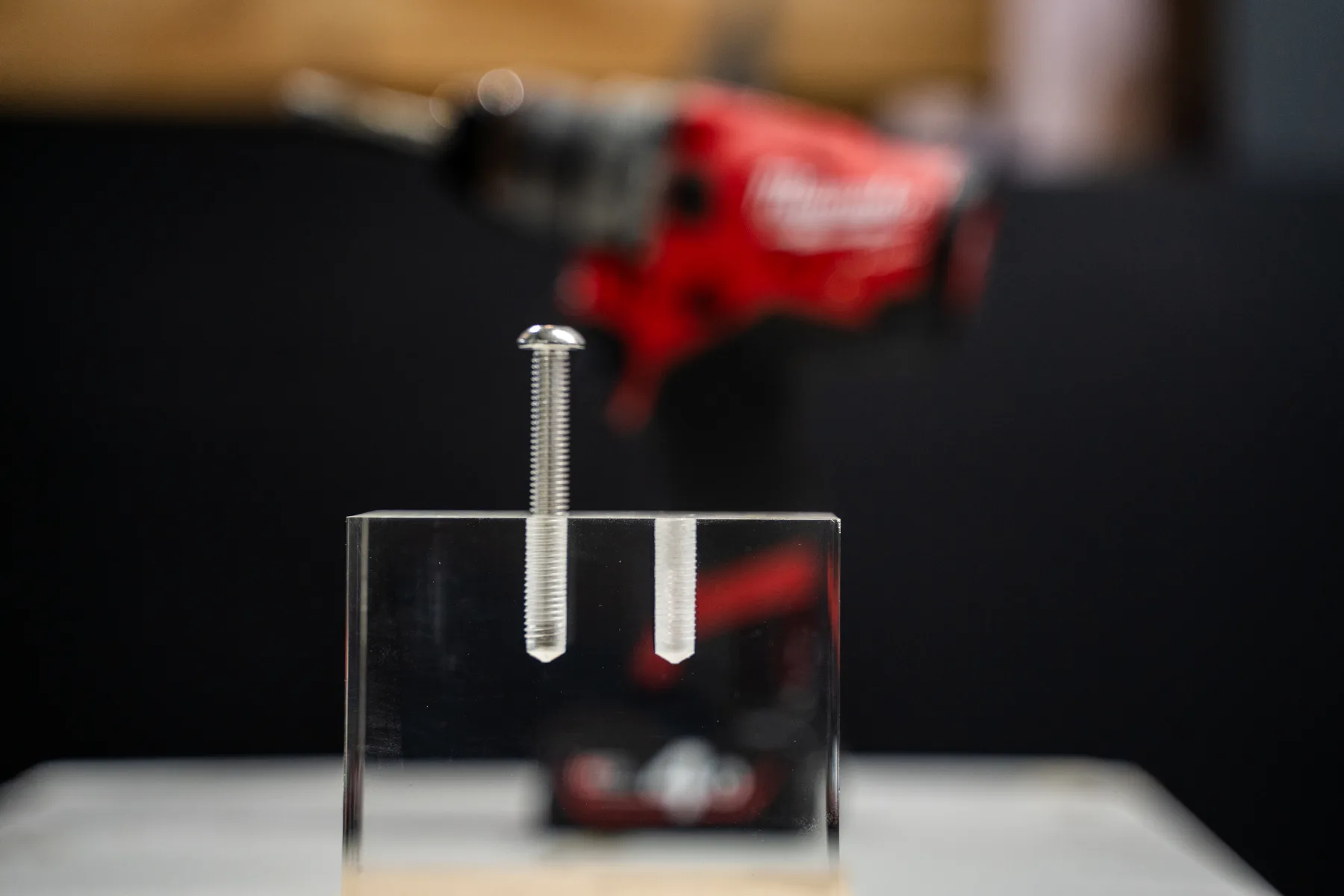
- Hole, slot, pocket, countersink and engraving details
- Photos or sample part for replacements
- Finishing, assembly, pickup or freight requirements
Related Services
Common Questions
What plastics can be CNC machined?
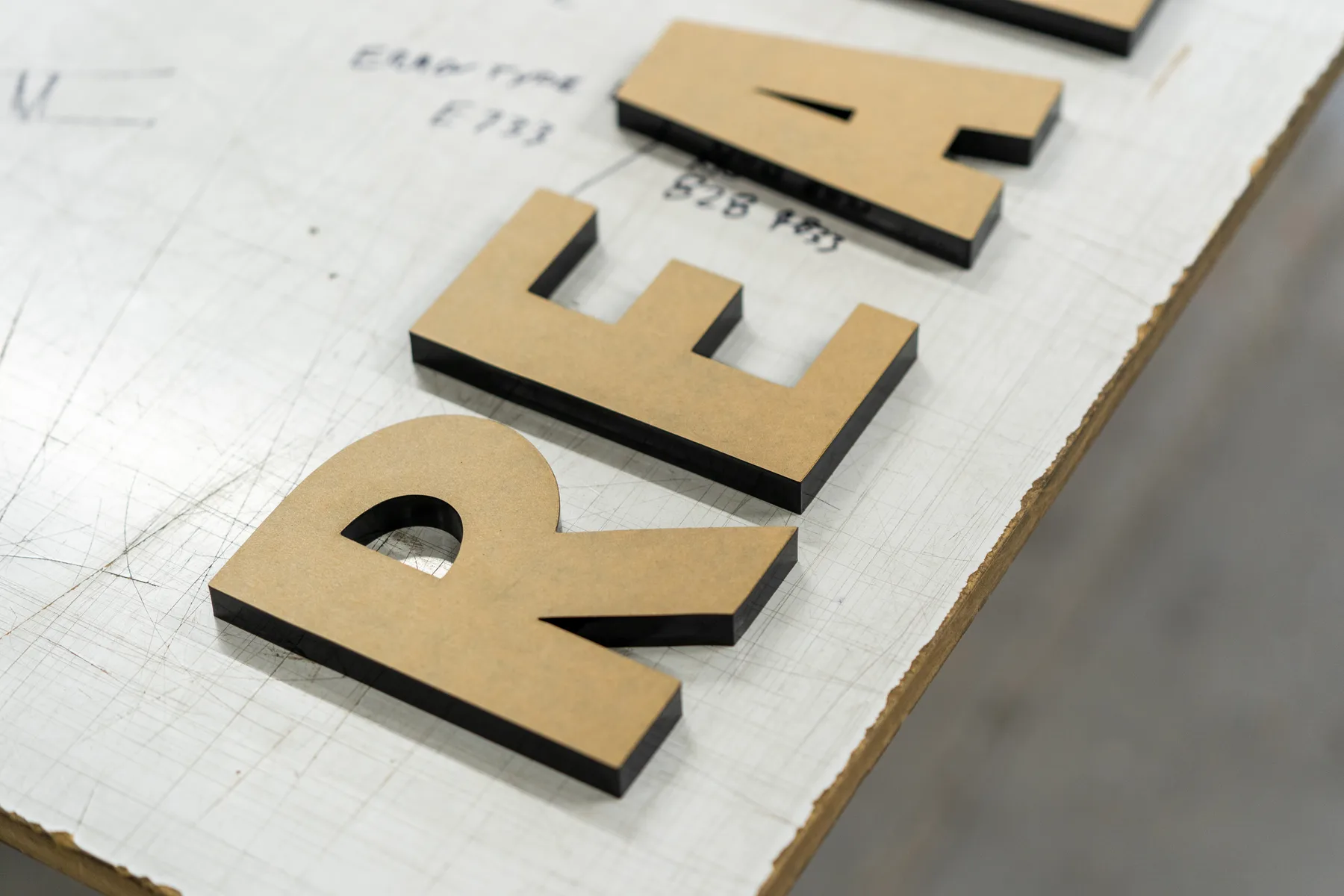
Plastix can CNC machine acrylic, polycarbonate, PVC, PETG, ACP, HDPE, HIPS and other sheet materials depending on stock, thickness and the required finish.
Is CNC better than laser cutting?
It depends on the job. Laser cutting is excellent for clean acrylic profiles and fine display work. CNC is better for thicker parts, holes, pockets, polycarbonate, ACP, HDPE and more technical features.
Can CNC machining handle repeat production?
Yes. CNC machining is well suited to repeat components because toolpaths, nesting and setup can be controlled across a batch.