HIPS (High Impact Polystyrene)
Cost-effective, easy to fabricate, great for signage
HIPS is a cost-effective, easy-to-fabricate plastic sheet commonly used for signage, packaging, and thermoformed products. It offers good impact resistance and a smooth surface ideal for printing.
Available in black and white, HIPS is one of the most affordable plastic sheet options for applications where optical clarity isn't required.
Fastest path
Get pricing for HIPS (High Impact Polystyrene) now.
Start with this material preselected. Enter dimensions for instant pricing or send the setup for quote review.
Key Properties
Impact Strength
Good
Surface
Smooth, printable
Cost
Most affordable sheet option
Thermoforming
Excellent
FDA Approved
Select grades
Fabrication
Saw, die-cut, thermoform, print
Sheet stock
Cut and finished in-house
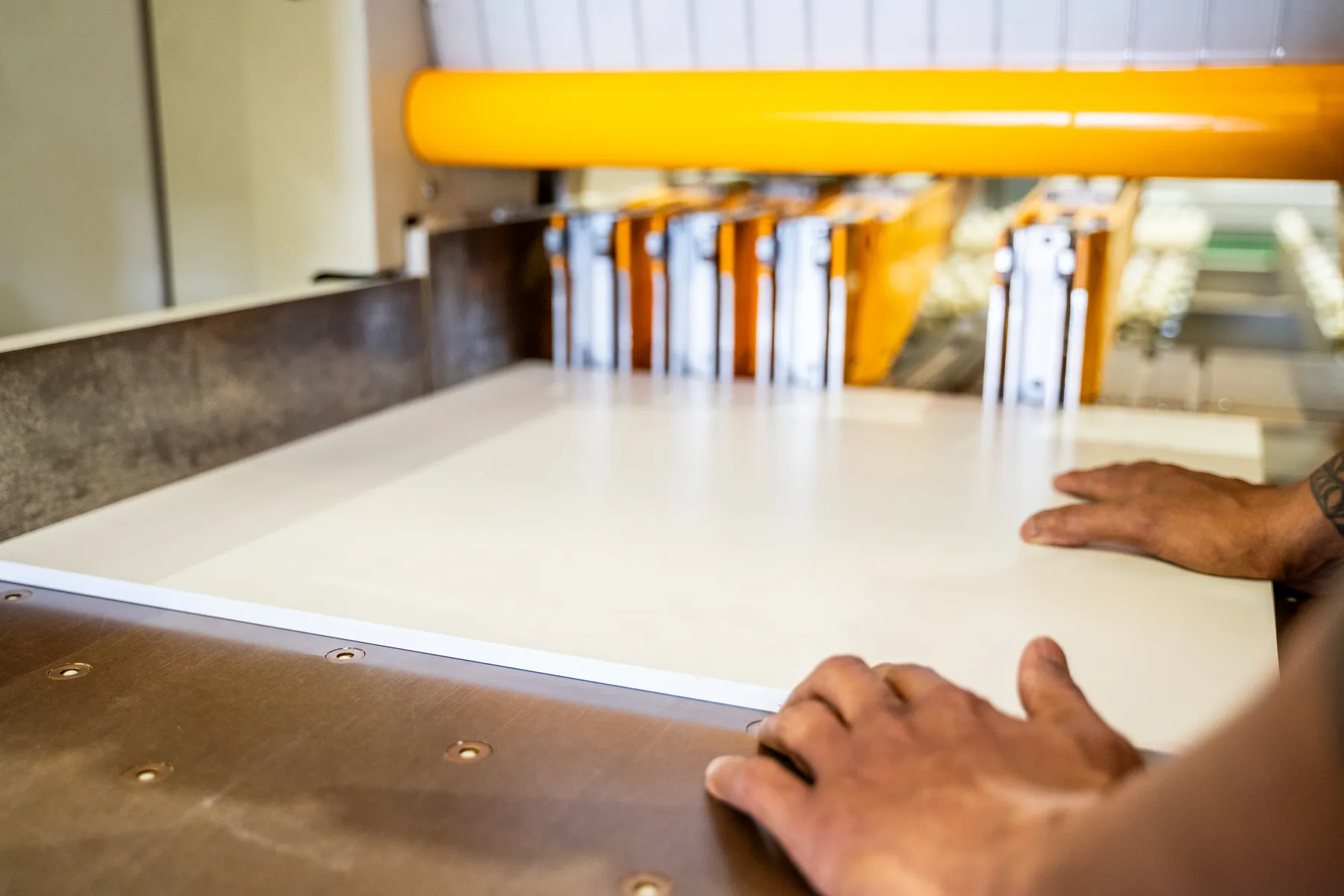
From a single sheet to repeat production, Plastix reviews the material, dimensions and finish before the job enters the Kingsgrove workshop. Straight cuts, detailed machining and fabricated work follow different production paths, so the quote or checkout confirms what applies to the selected job.
Available Thicknesses
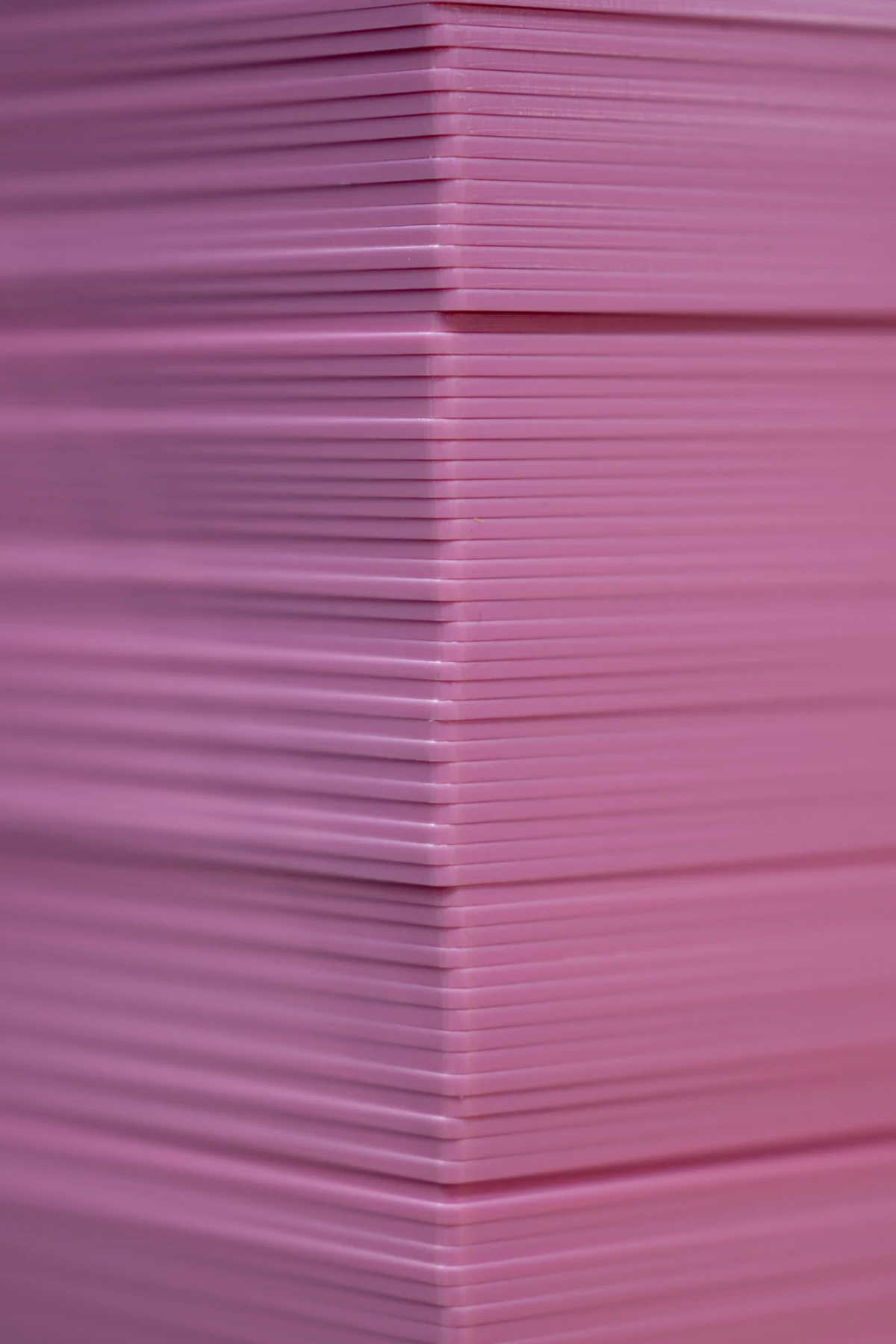
0.5mm – 3mm
Common Applications
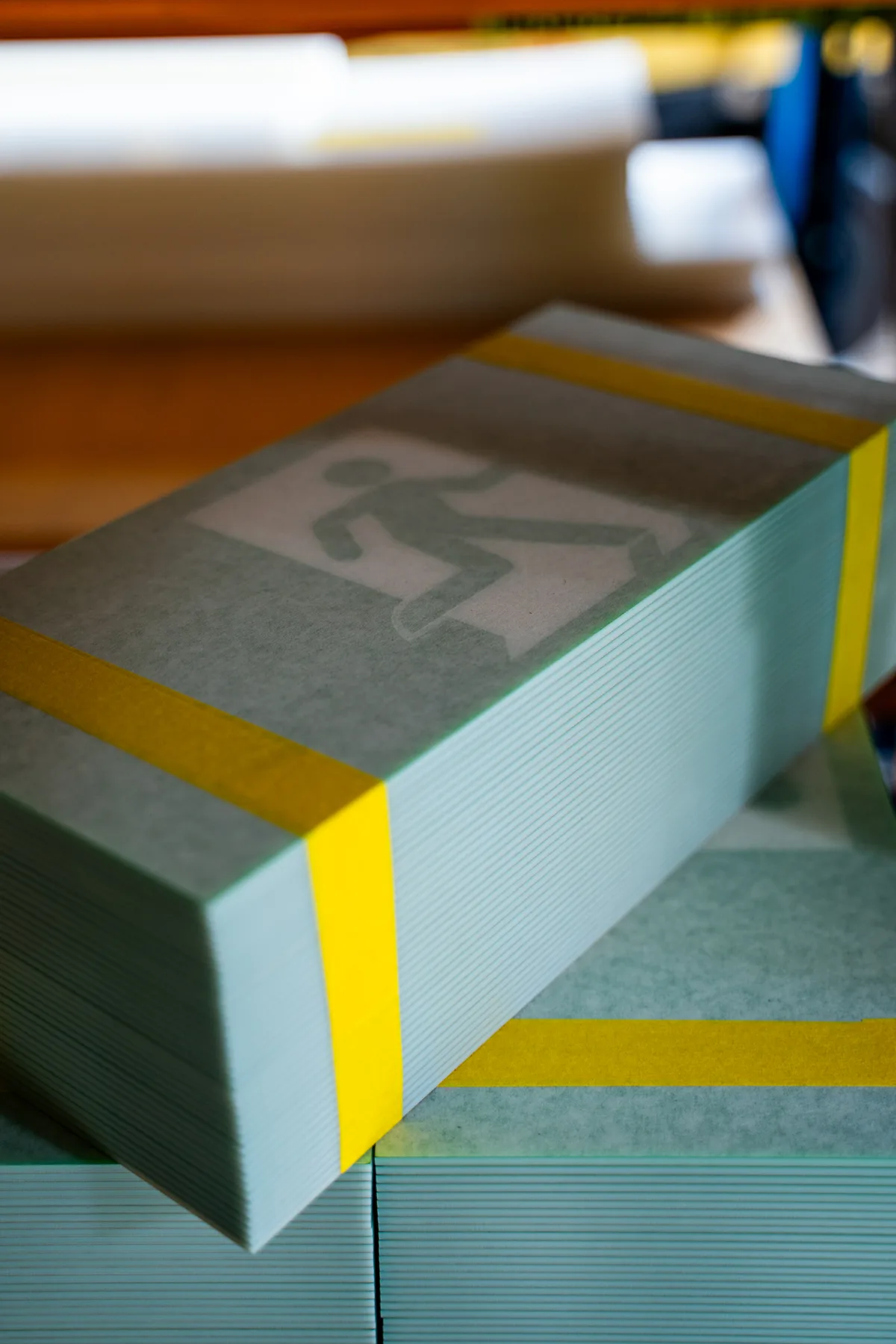
- Printed signage
- Thermoformed packaging
- Point-of-sale displays
- Model making and prototyping
- Stencils and templates
- Disposable food containers
Buying Guide
When HIPS is the right choice
HIPS is a practical low-cost sheet when the job needs a smooth printable surface, simple fabrication, or thermoforming without the cost of premium clear plastics. It is commonly used for signs, packaging, display backing, templates, model making, prototypes, and formed trays.
Choose HIPS when the panel does not need to be transparent, high-impact, or long-term outdoor grade. It is a value material for indoor and short-life applications where finish, printability, and easy forming matter more than strength.
HIPS vs PVC, PETG, and acrylic
PVC foamboard is often better for rigid signage panels and fitout boards. PETG is better for clear food-display and formed covers. Acrylic is better when clarity, colour range, and premium display finish are the goal.
HIPS earns its place when the project is cost-sensitive, print-focused, prototype-driven, or thermoformed. It is especially useful when you need repeatable light-duty parts and do not want to over-spec a more expensive plastic.
For packaging, display, and prototype work, HIPS can be a sensible first sample material because changes are cheaper to test. Once the shape, print surface, or formed depth is proven, the same brief can be moved into a larger run or compared with another material if the end use becomes tougher.
Cutting, forming, and quoting notes
HIPS can be saw cut, CNC cut, die cut, printed, and thermoformed depending on the job. For simple signs or templates, provide width, height, thickness, colour, and quantity. For formed parts, include the target shape, depth, draft, and whether you have a mould or sample.
Because HIPS is often used in production-style jobs, quantity changes the right process. A one-off prototype, a short display run, and a packaging batch may be quoted differently even if the material is the same.
If the part needs to survive outdoor exposure, repeated bending, heavy impact, or frequent cleaning, flag that before ordering. Another material may last longer even if HIPS is cheaper up front.
Compatible Services
HIPS saw cutting
Straight cut sheets for signs, templates, display backs, and prototypes.
View service →
CNC machining
Profiles, holes, slots, and repeatable HIPS parts for light-duty applications.
View service →
Sampling and prototypes
Small runs, mock-ups, and material trials before larger display or packaging jobs.
View service →
Common Questions
What is HIPS sheet used for?
HIPS is used for printed signs, point-of-sale displays, model making, prototypes, stencils, packaging, and thermoformed products where a cost-effective opaque sheet is suitable.
Can HIPS be cut to size?
Yes. HIPS can be cut to size and, depending on the job, CNC machined, die cut, printed, or thermoformed. For repeat runs, send the quantity and target use so Plastix can quote the most efficient cutting method.
Is HIPS suitable outdoors?
HIPS is usually better for indoor or short-life applications. For long-term outdoor signage, compare PVC foamboard, ACP, acrylic, or coreflute depending on the job.