PETG
Clear, chemical-resistant and easy to thermoform
PETG (Polyethylene Terephthalate Glycol) combines clear presentation, chemical resistance and thermoformability. Food-contact and medical suitability are grade-specific, so supplier documentation must be checked for the selected sheet before it is specified for a regulated application.
PETG won't crack or shatter like acrylic and offers better chemical resistance than polycarbonate, sitting perfectly between the two materials in terms of properties.
Fastest path
Get pricing for PETG now.
Start with this material preselected. Enter dimensions for instant pricing or send the setup for quote review.
Key Properties
Clarity
90% light transmission
Chemical Resistance
Very good
Food Contact
Selected grades; verify certification
Impact Strength
10× stronger than glass
Thermoforming
Excellent formability
Fabrication
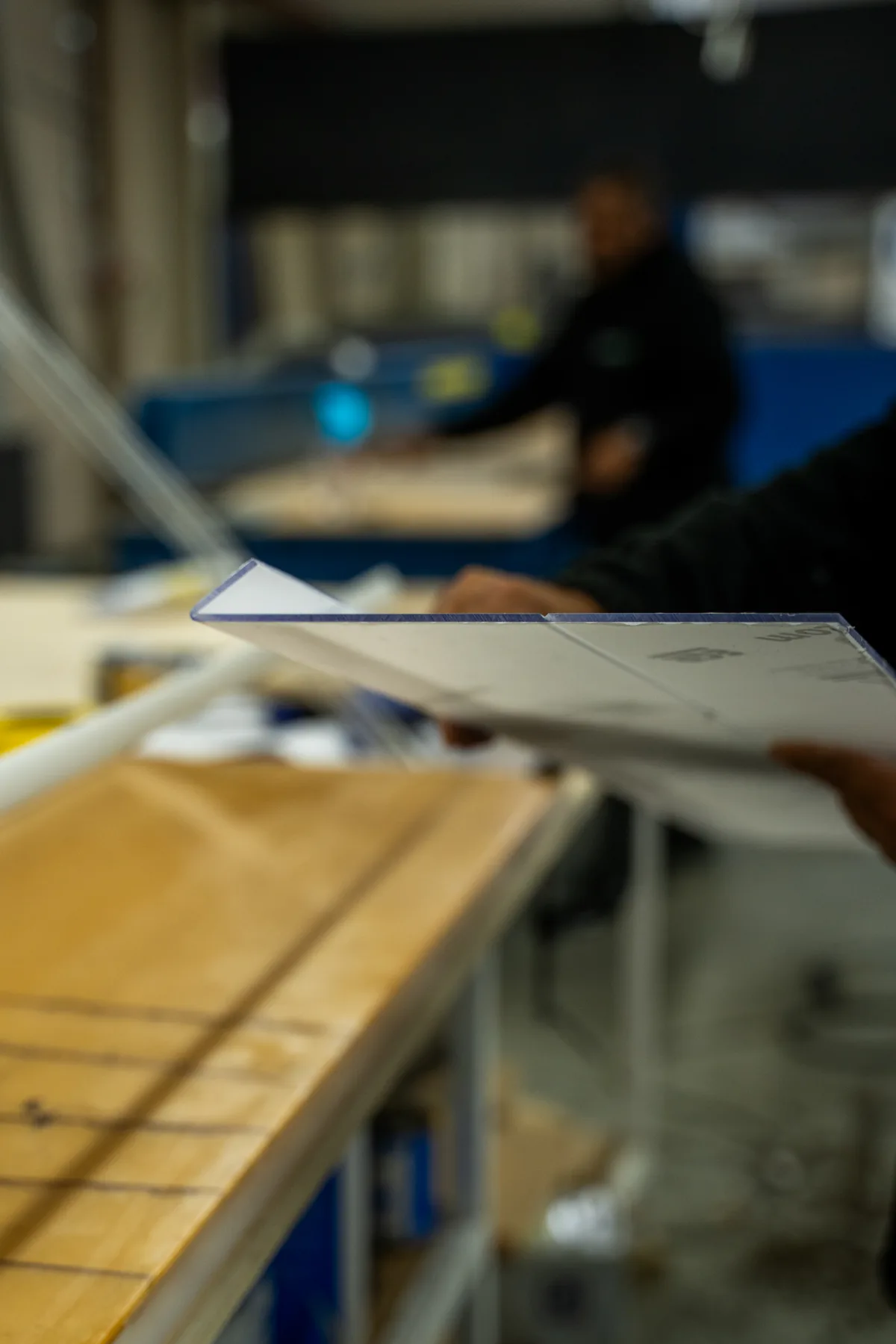
Saw, CNC, bend, thermoform
PETG sheet work
Cut and finished in-house
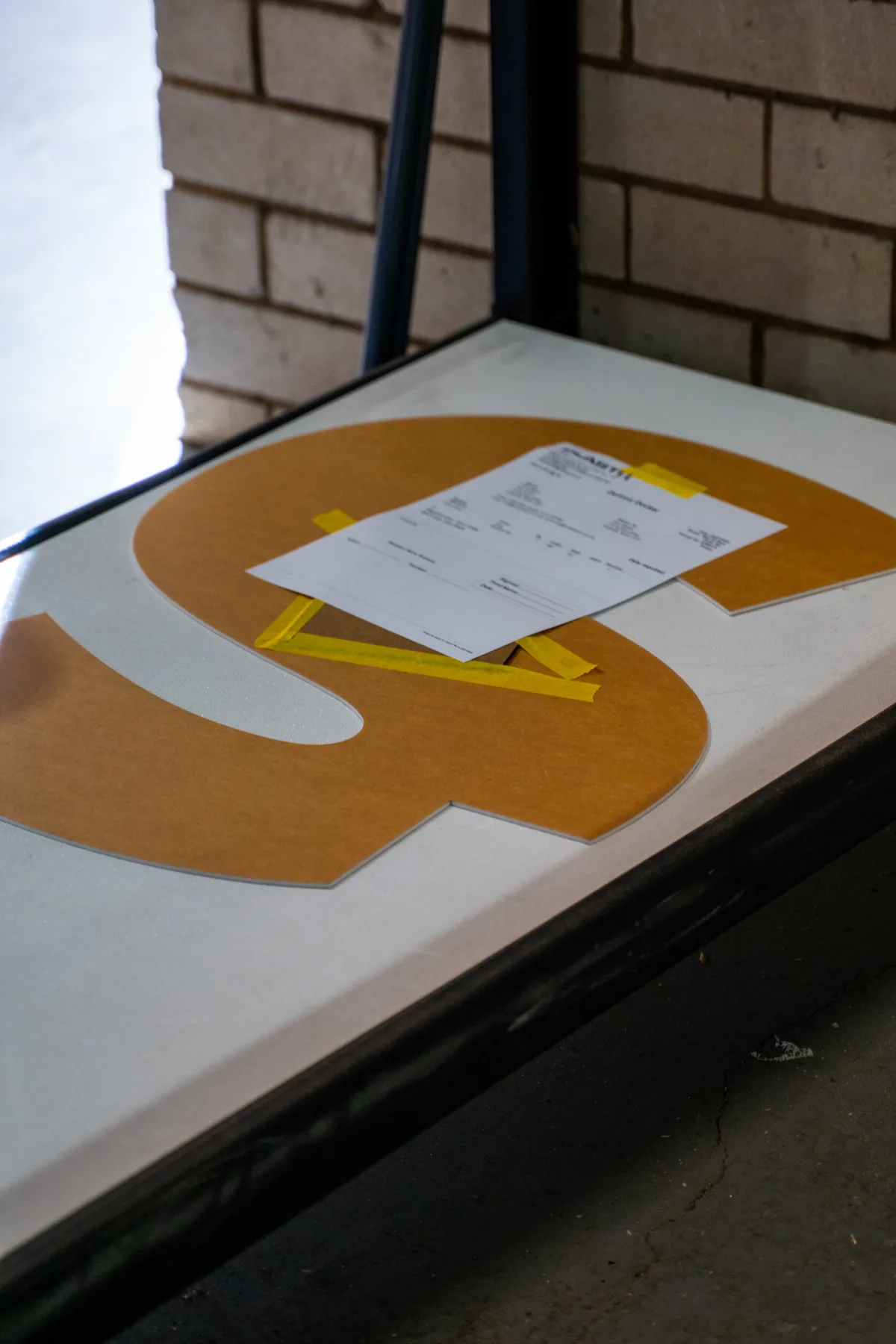
From a single sheet to repeat production, Plastix reviews the material, dimensions and finish before the job enters the Kingsgrove workshop. Straight cuts, detailed machining and fabricated work follow different production paths, so the quote or checkout confirms what applies to the selected job.
Available Thicknesses
0.5mm – 4.5mm
Common Applications
- Food display cases and covers
- Medical and pharmaceutical equipment
- Point-of-sale displays
- Thermoformed packaging and trays
- Machine guards (chemical environments)
- Face shields and protective equipment
Buying Guide
When PETG is the right choice
PETG is useful when you want a clear plastic sheet that is tougher and less brittle than acrylic, but easier to form and more food-display friendly than many engineering plastics. It is commonly used for clear covers, food displays, guards, retail fixtures, trays, and protective screens.
Choose PETG when clarity still matters, but the part may be cleaned often, handled by staff, or formed into a curved or shaped piece. It is a practical middle ground between acrylic's premium display finish and polycarbonate's high-impact safety focus.
PETG vs acrylic and polycarbonate
Acrylic normally wins when the edge finish, colour range, and display polish are the main priorities. PETG is better when the sheet needs more impact tolerance, easier forming, or better behaviour around food and frequent cleaning.
Polycarbonate is the stronger guard material for heavy impact risk, but PETG can be easier to thermoform and specify for display covers, packaging, and clear formed parts. If the part sits near machinery, chemicals, or public handling, include that context in the quote notes so Plastix can recommend the right grade.
Cutting, forming, and ordering notes
PETG can be saw cut, CNC machined, drilled, bent, and thermoformed depending on the shape and thickness. For simple panels, cut-to-size is normally straightforward. For covers, trays, shields, and display components, drawings or photos help the team confirm bends, radii, fixing holes, and edge requirements.
Food-contact projects should include the use case, cleaning method, and whether the material will touch food directly or act as a cover or guard. That prevents the quote being treated like a generic clear plastic sheet order when the application has hygiene or handling requirements.
If you are choosing PETG because acrylic cracked on a previous job, send the old part or a photo of the failure point. The replacement may need a different thickness, bend radius, fixing detail, or material choice rather than a like-for-like copy.
Compatible Services
PETG laser cutting
Profiles, display parts, and clear cut components where laser cutting suits the job.
View service →
CNC machining
Holes, slots, repeatable profiles, and more technical PETG components.
View service →
Volume sheet supply
Quoted PETG sheet supply for display, packaging, and commercial projects.
View service →
Common Questions
Is PETG food safe?
PETG is commonly specified for food-contact and food-display applications, but the exact grade and use case still matter. Tell Plastix whether the sheet is a cover, tray, display, or direct-contact component so the team can quote appropriately.
Is PETG better than acrylic?
PETG is not automatically better; it is better for different jobs. Acrylic is usually preferred for polished display work and broad colour choice, while PETG is useful when toughness, forming, and cleaning resistance are more important.
Can PETG be cut and formed?
Yes. PETG can be cut to size, CNC machined, drilled, bent, and thermoformed depending on the job. Send drawings, dimensions, or photos for shaped covers and formed parts.